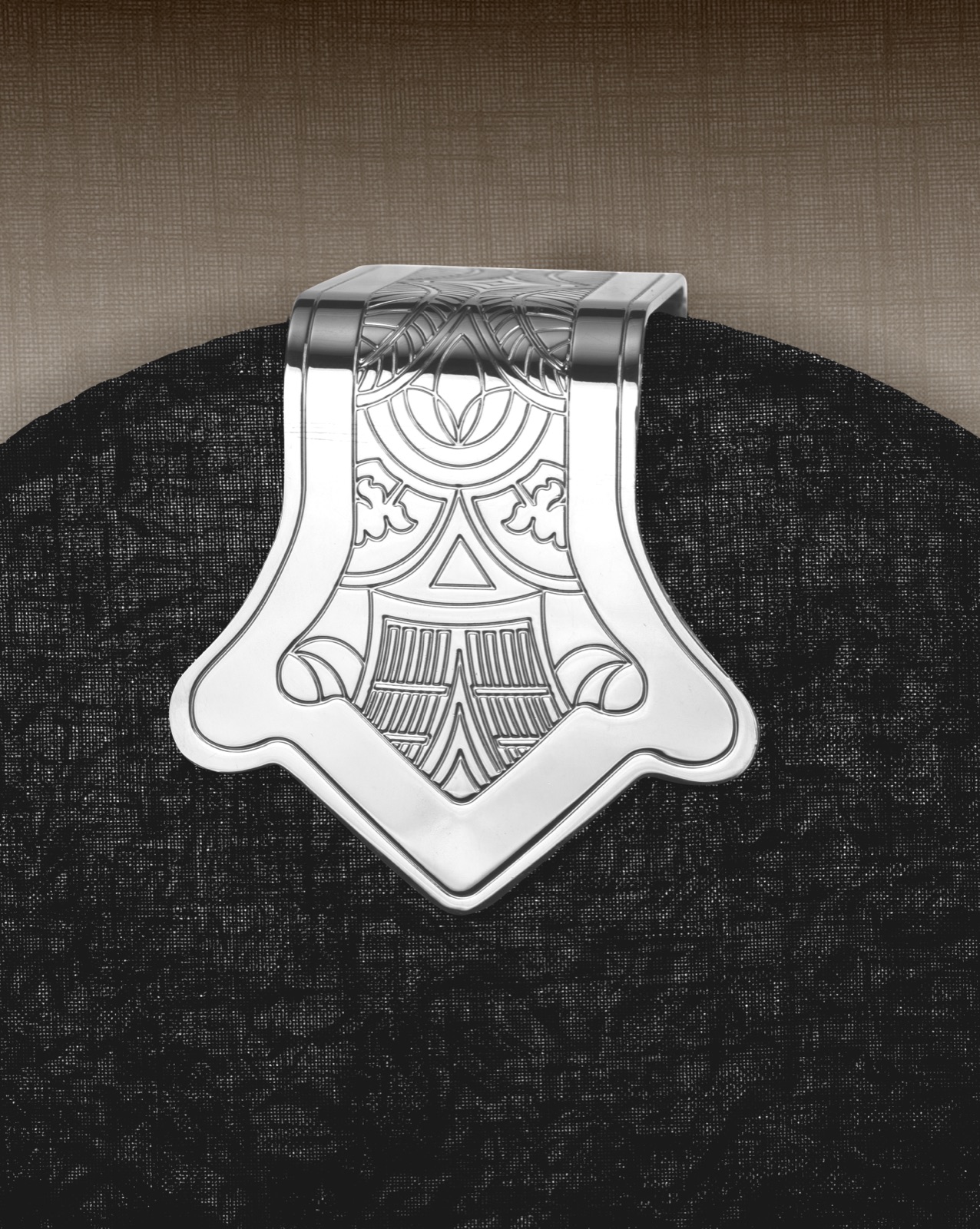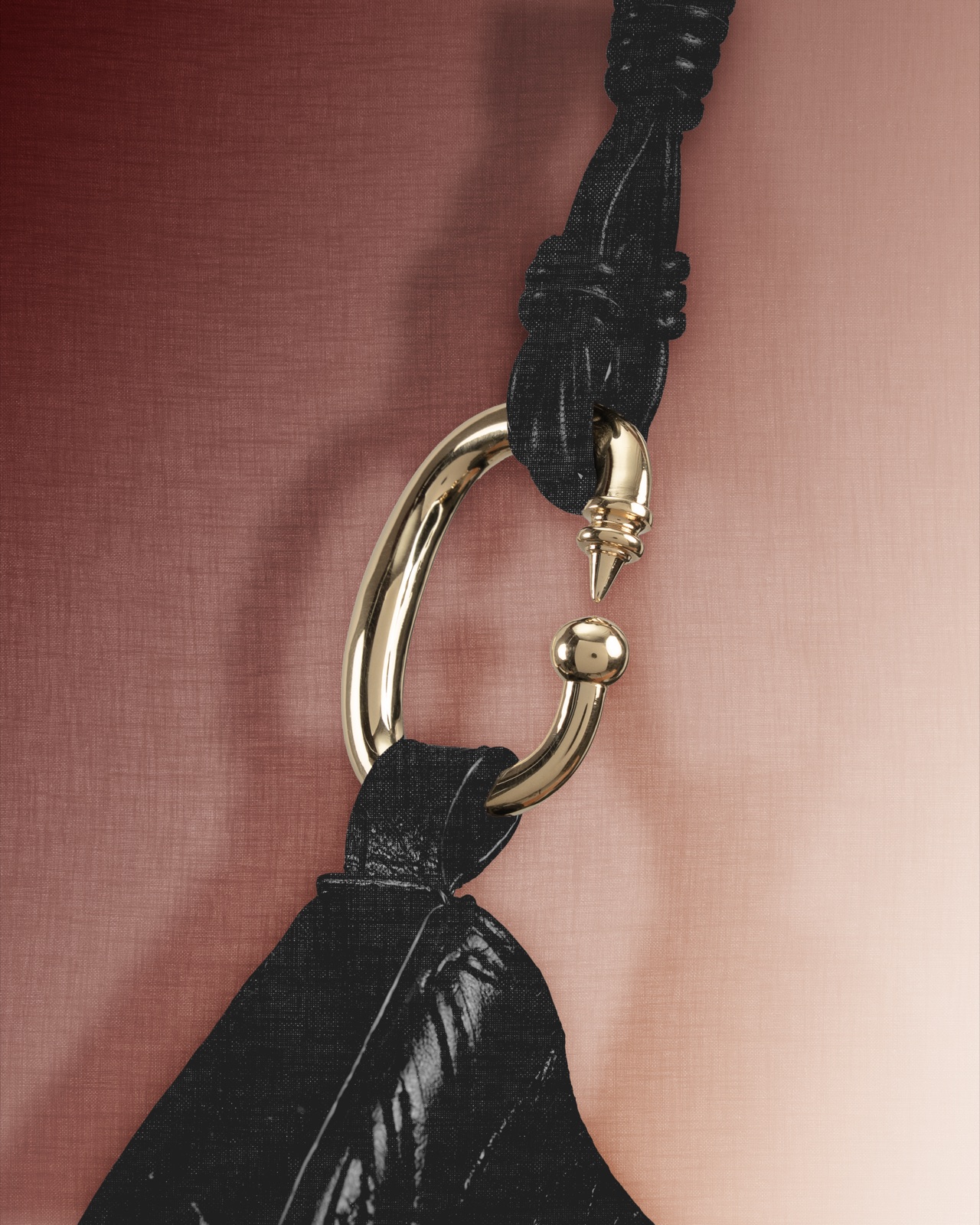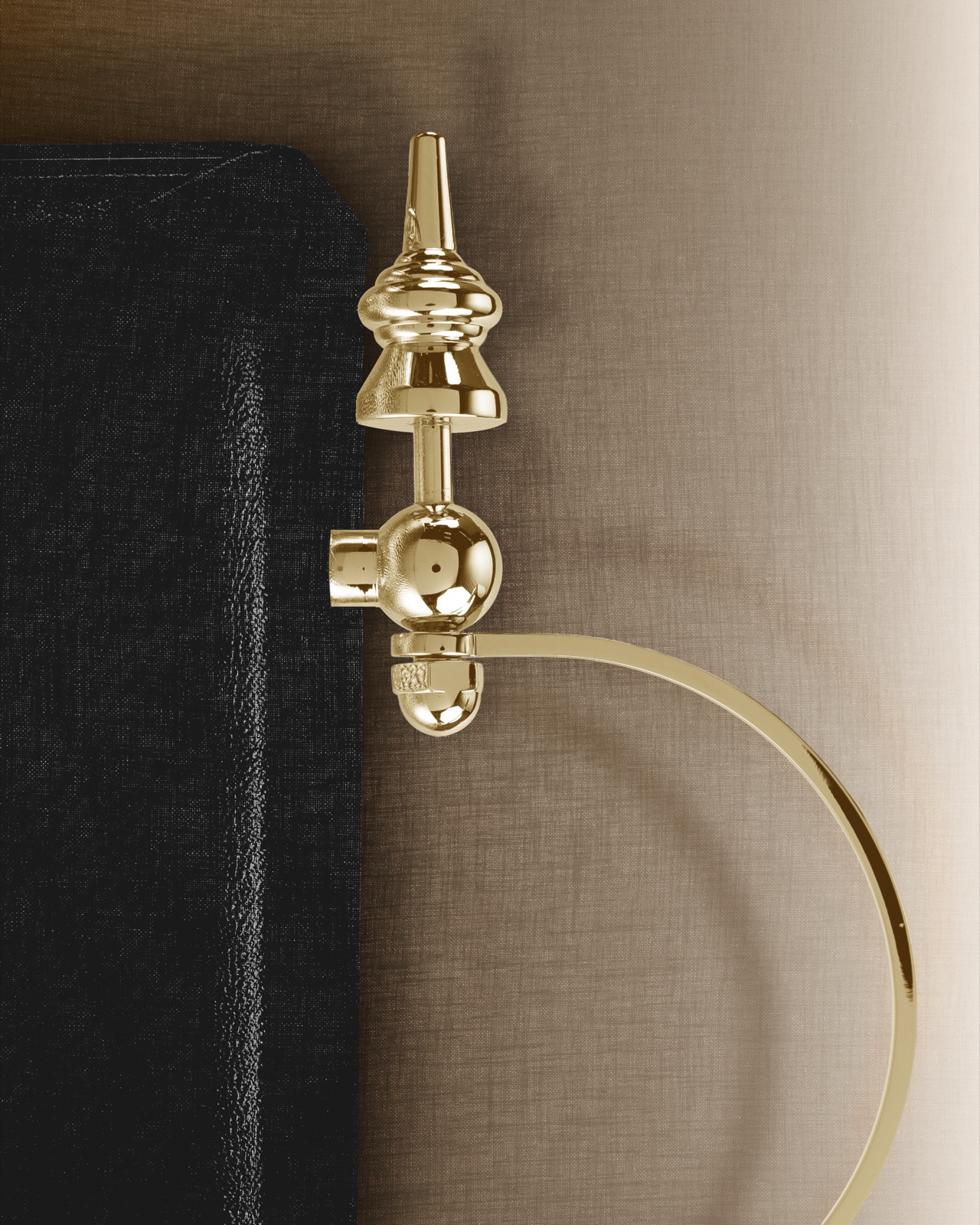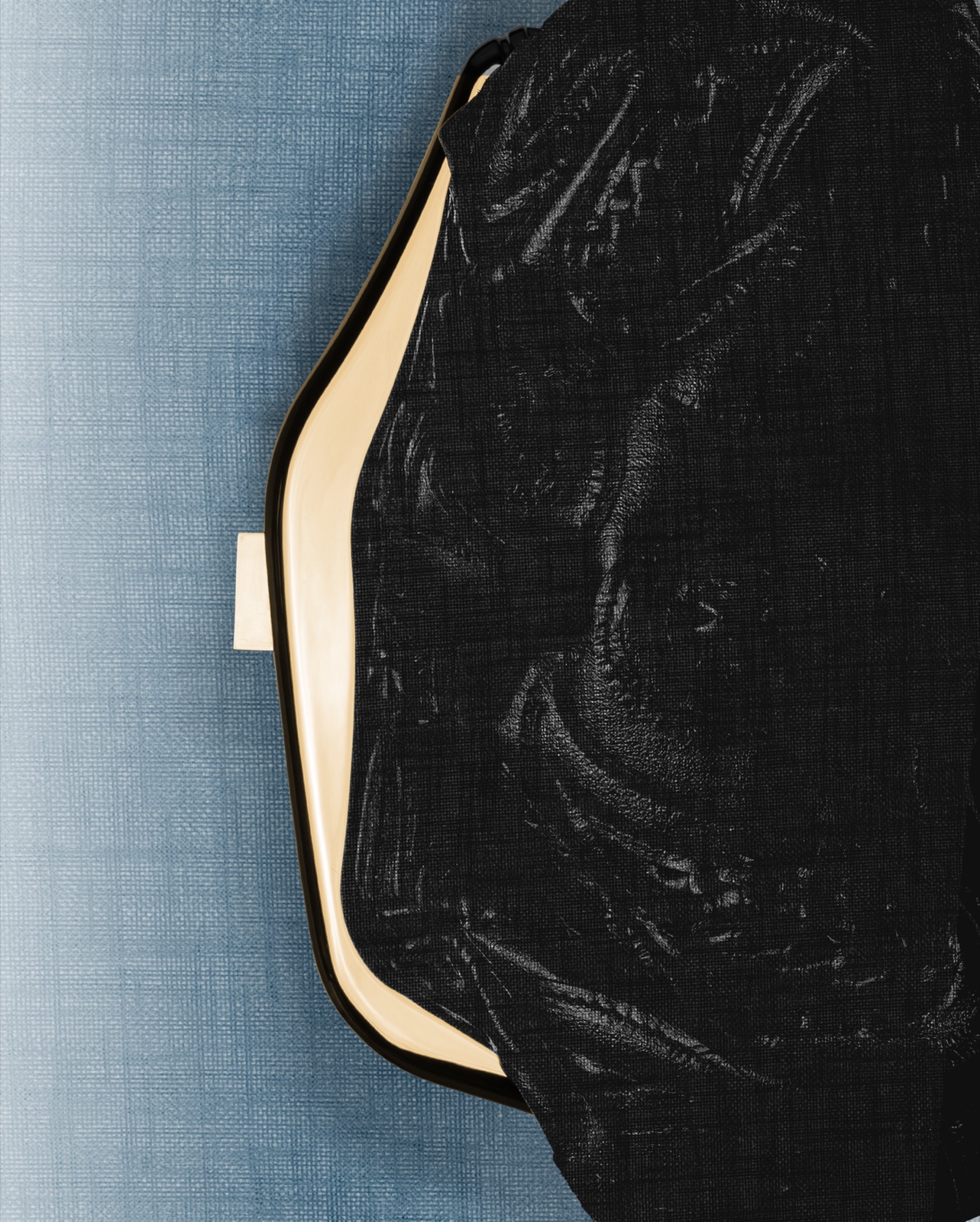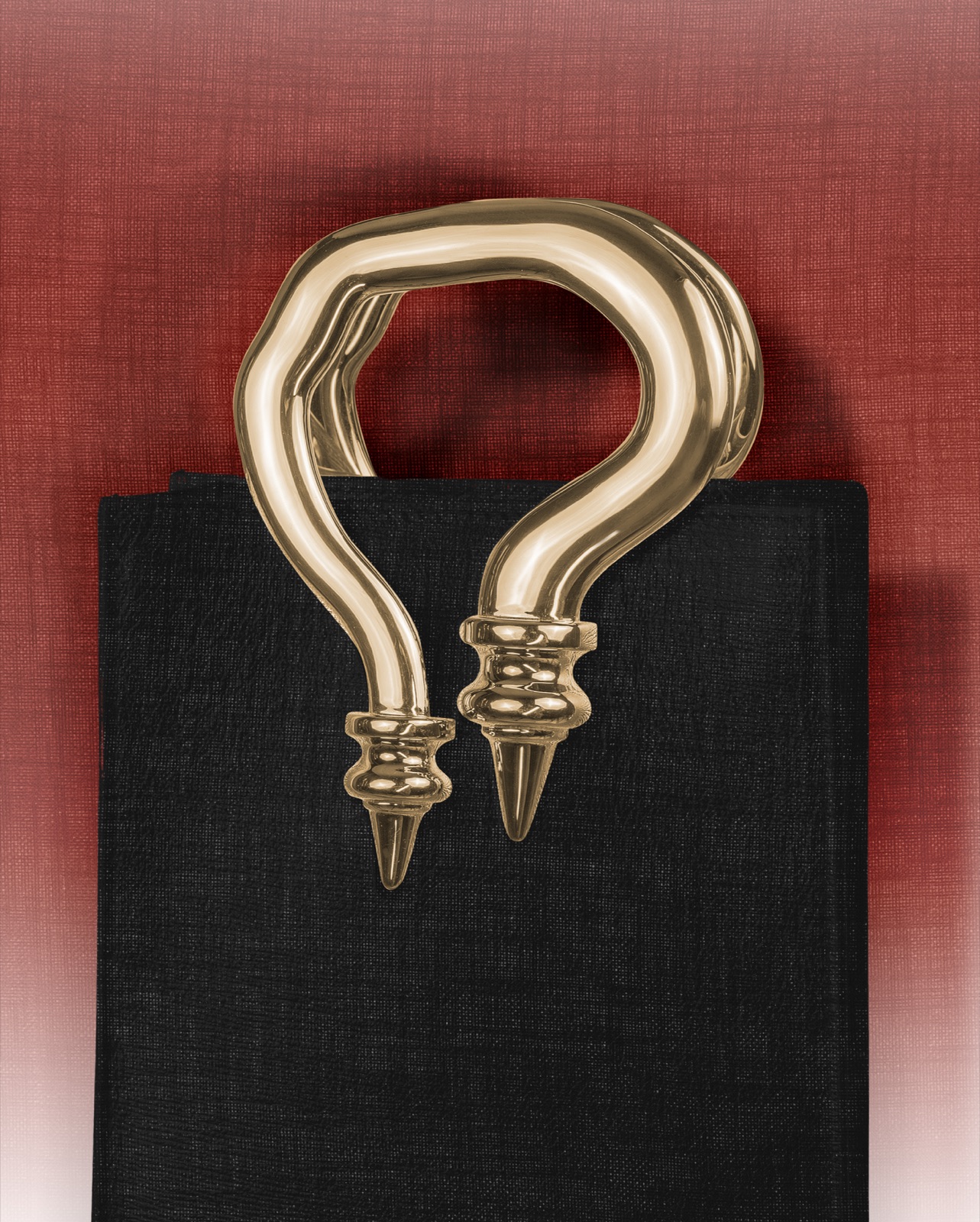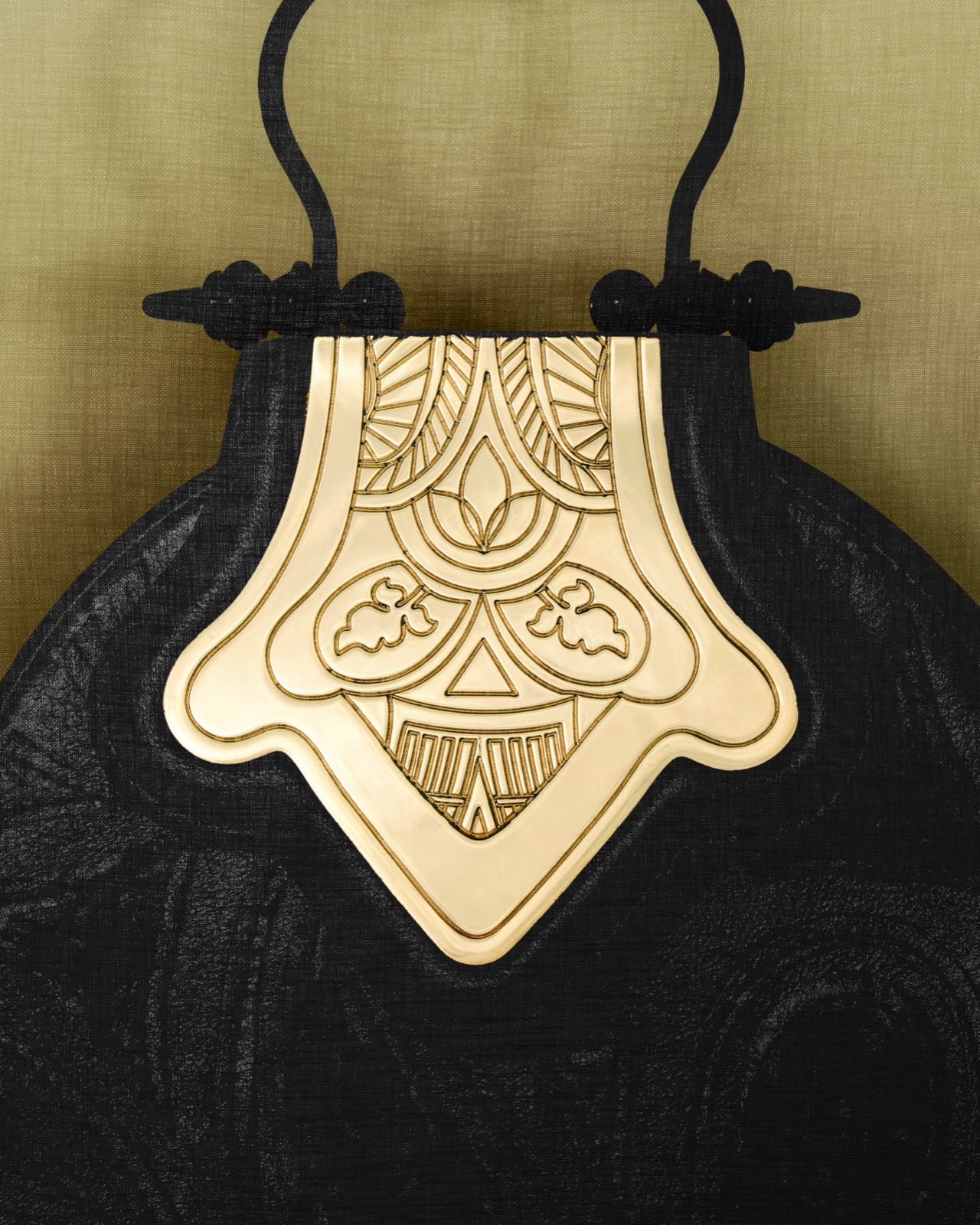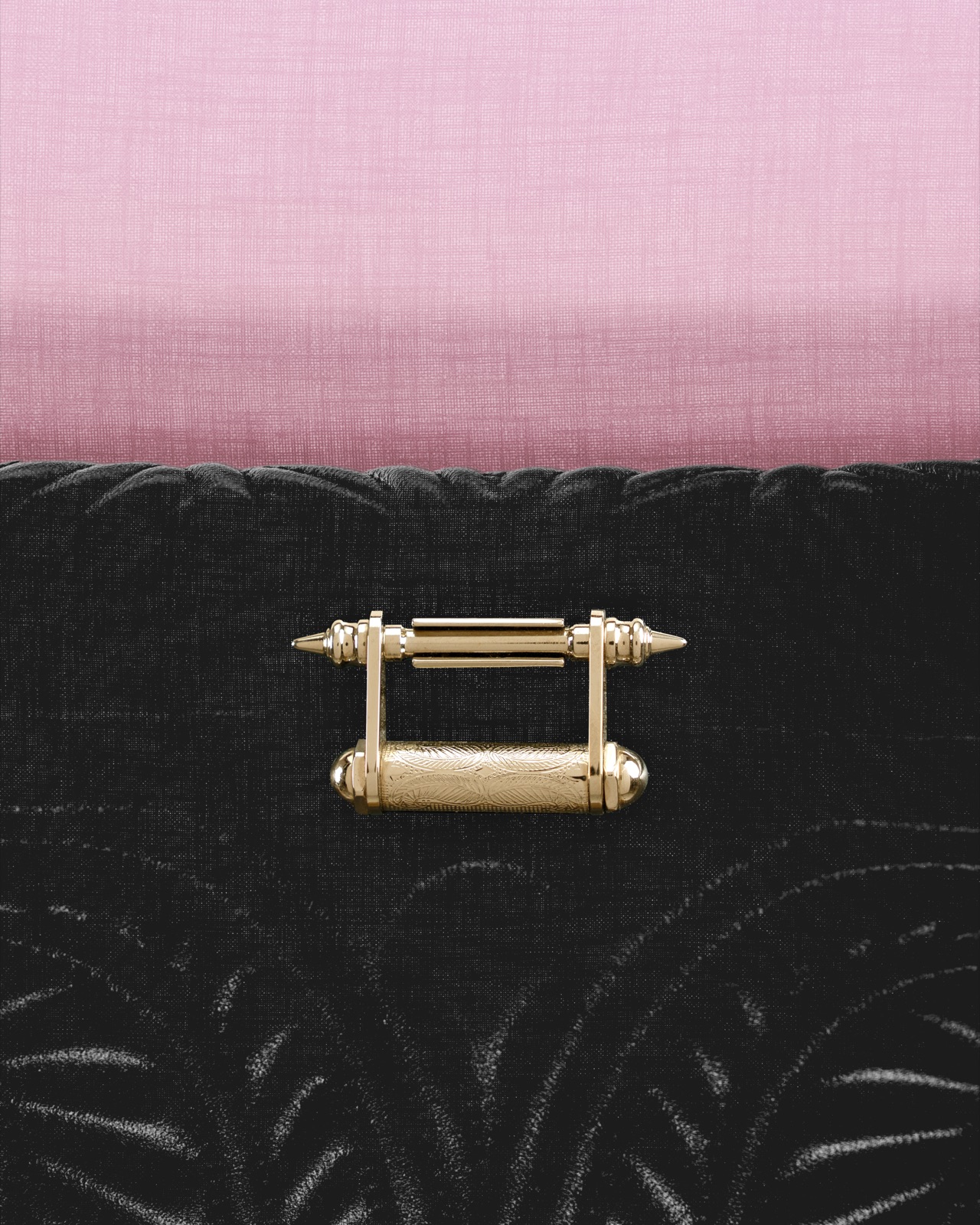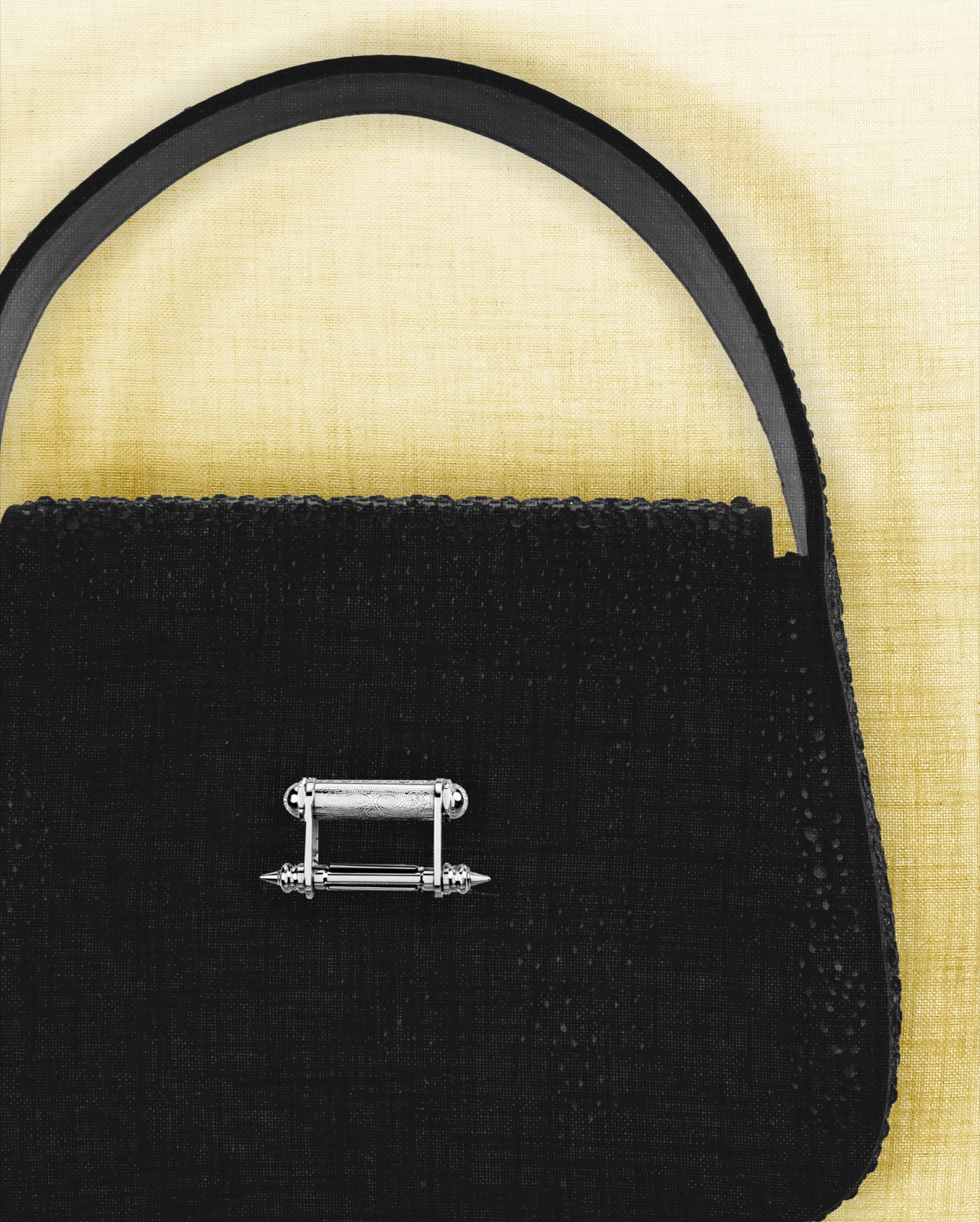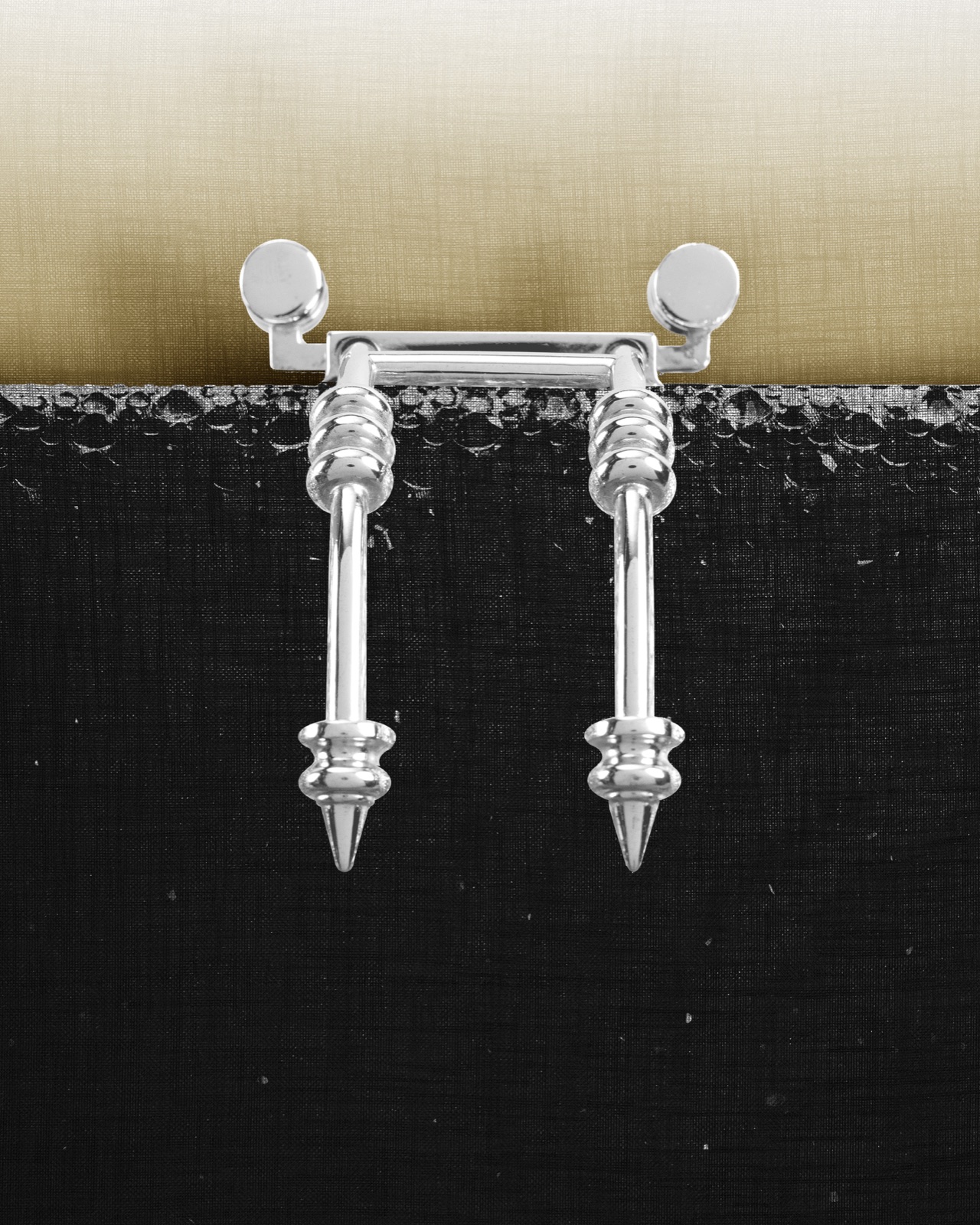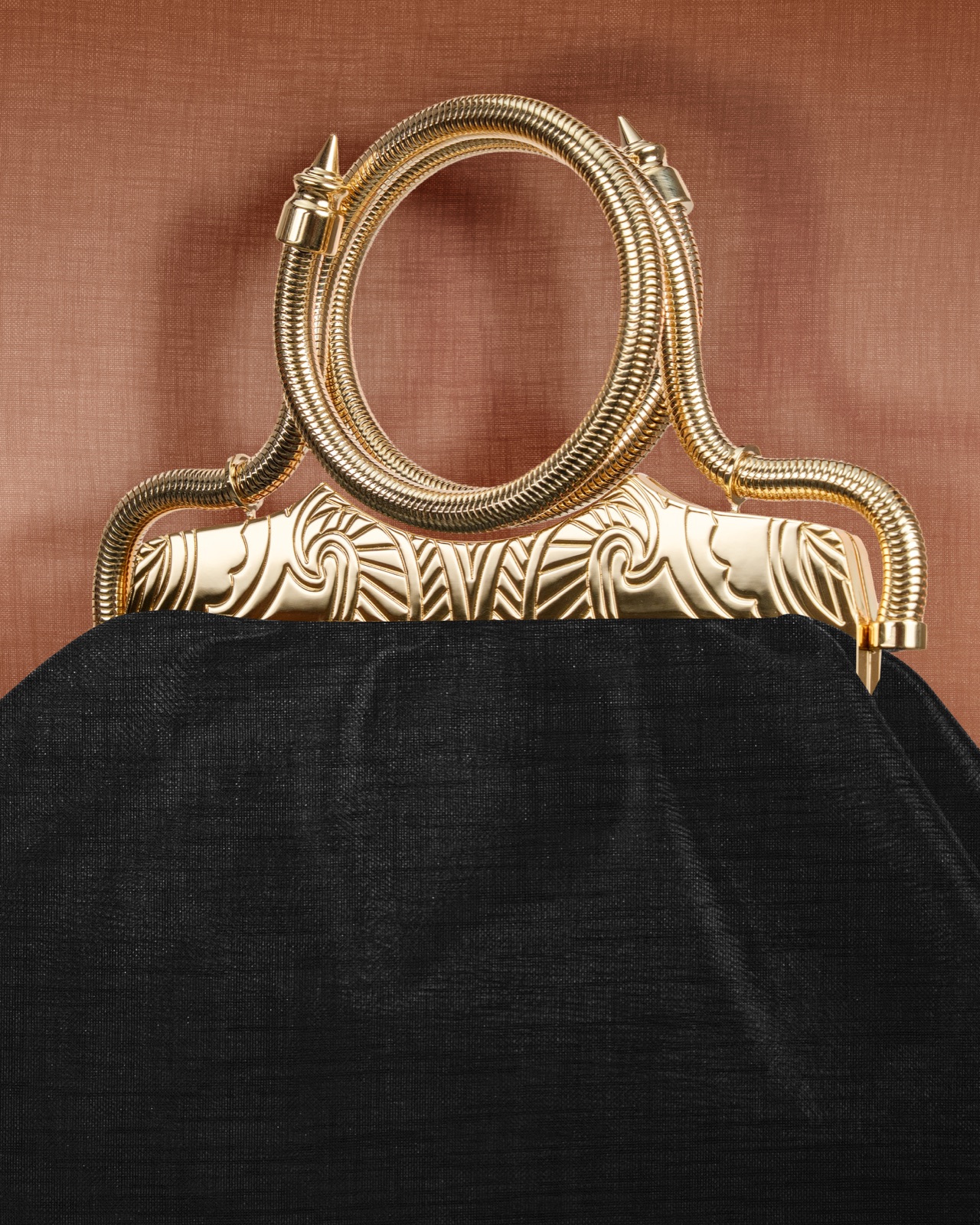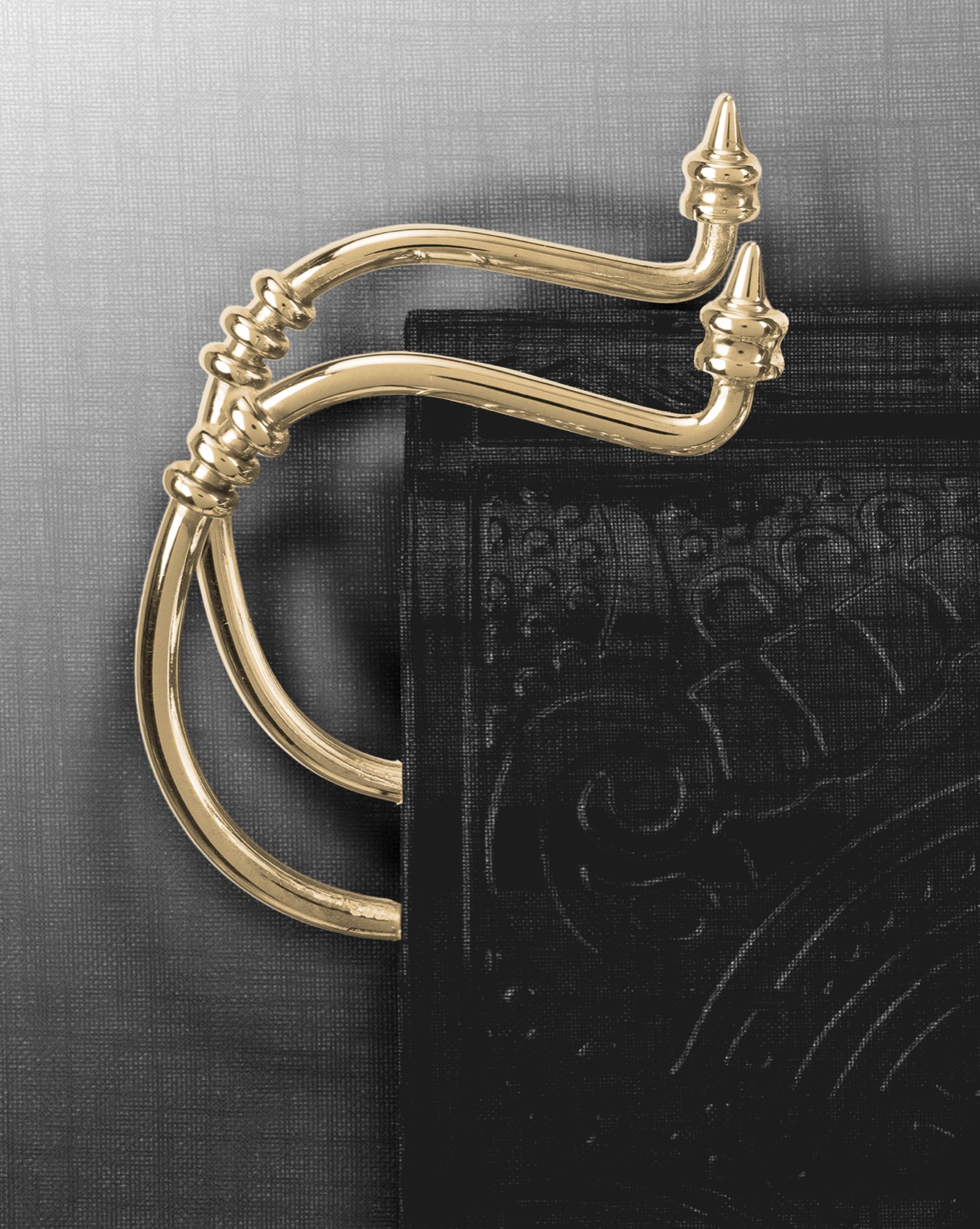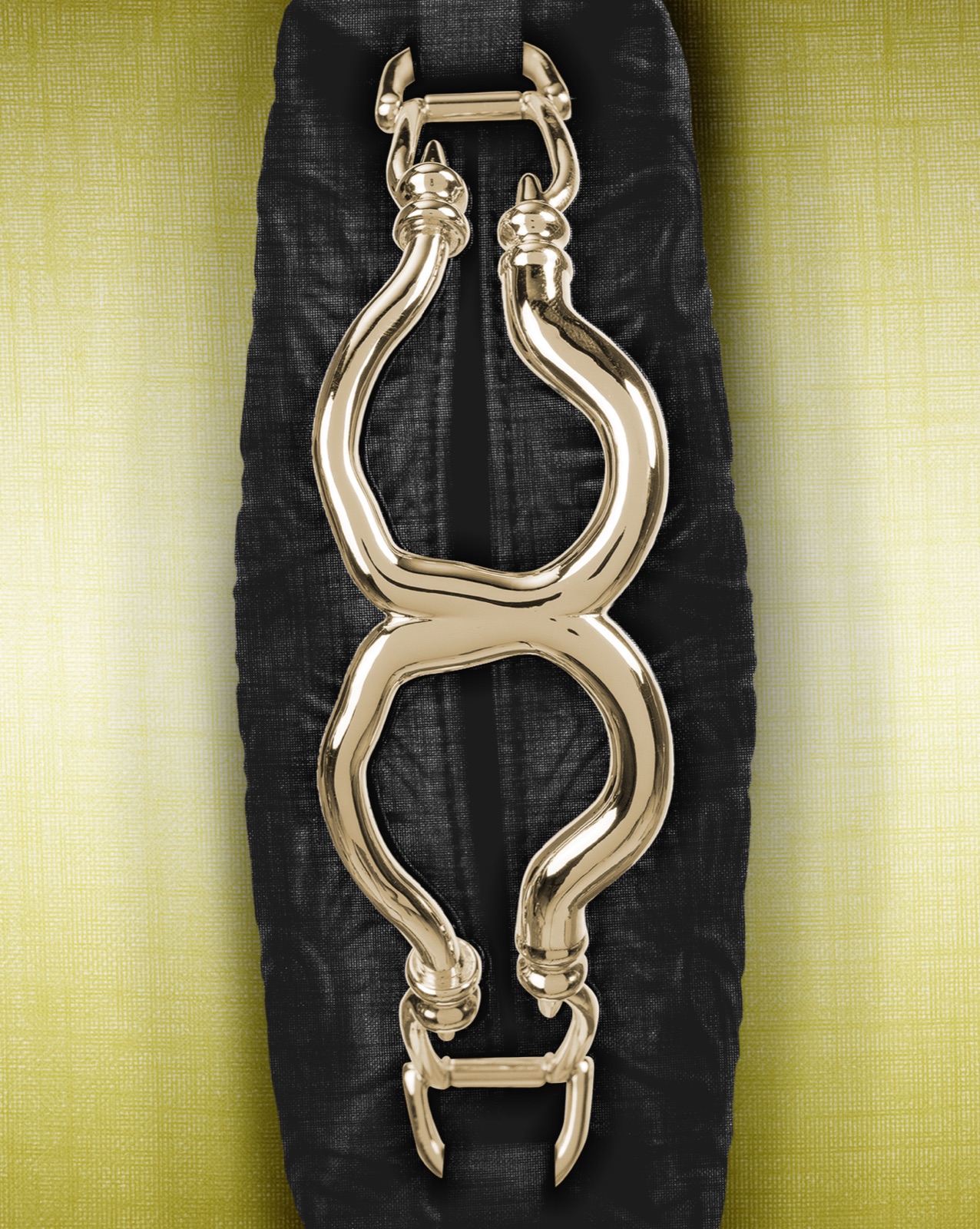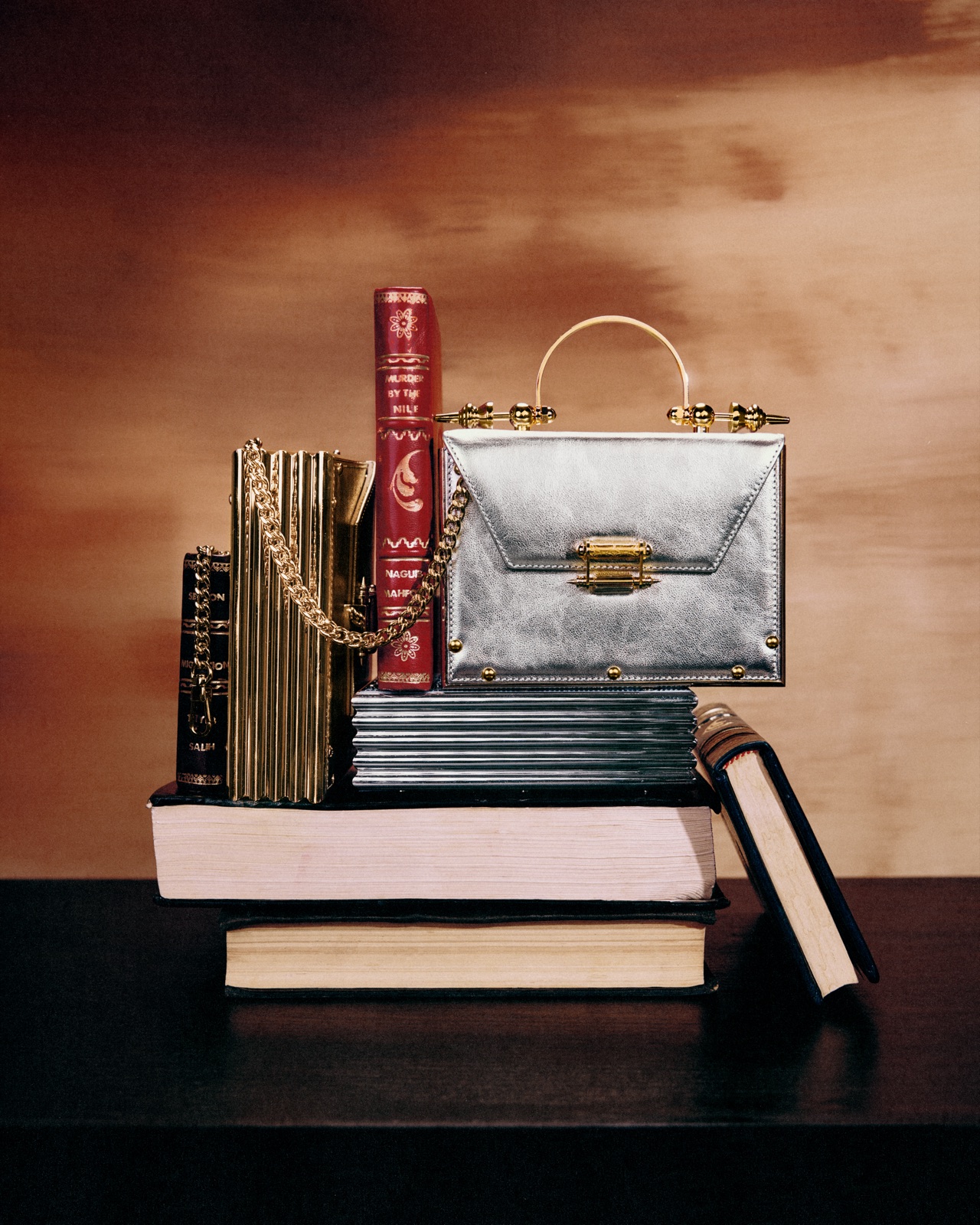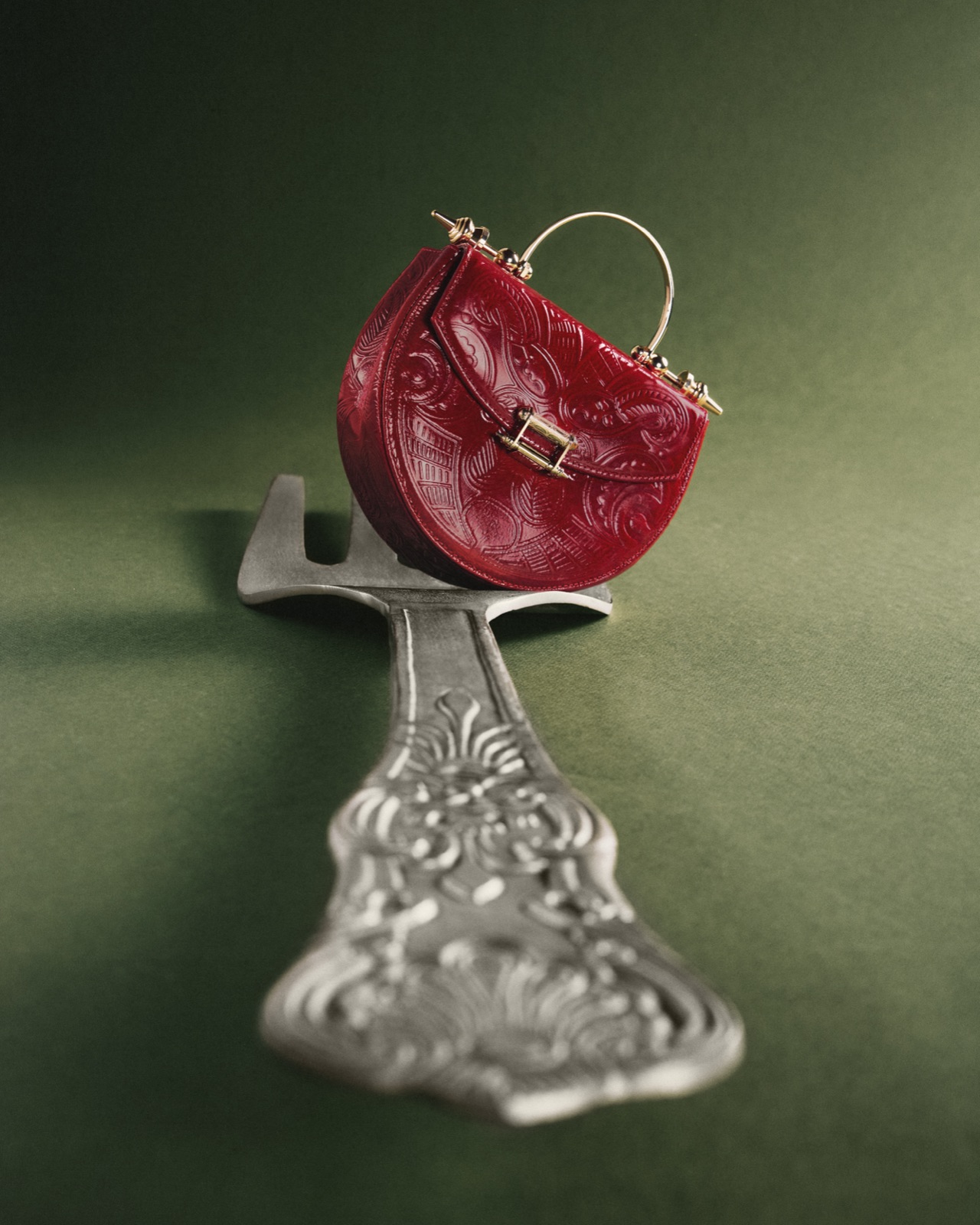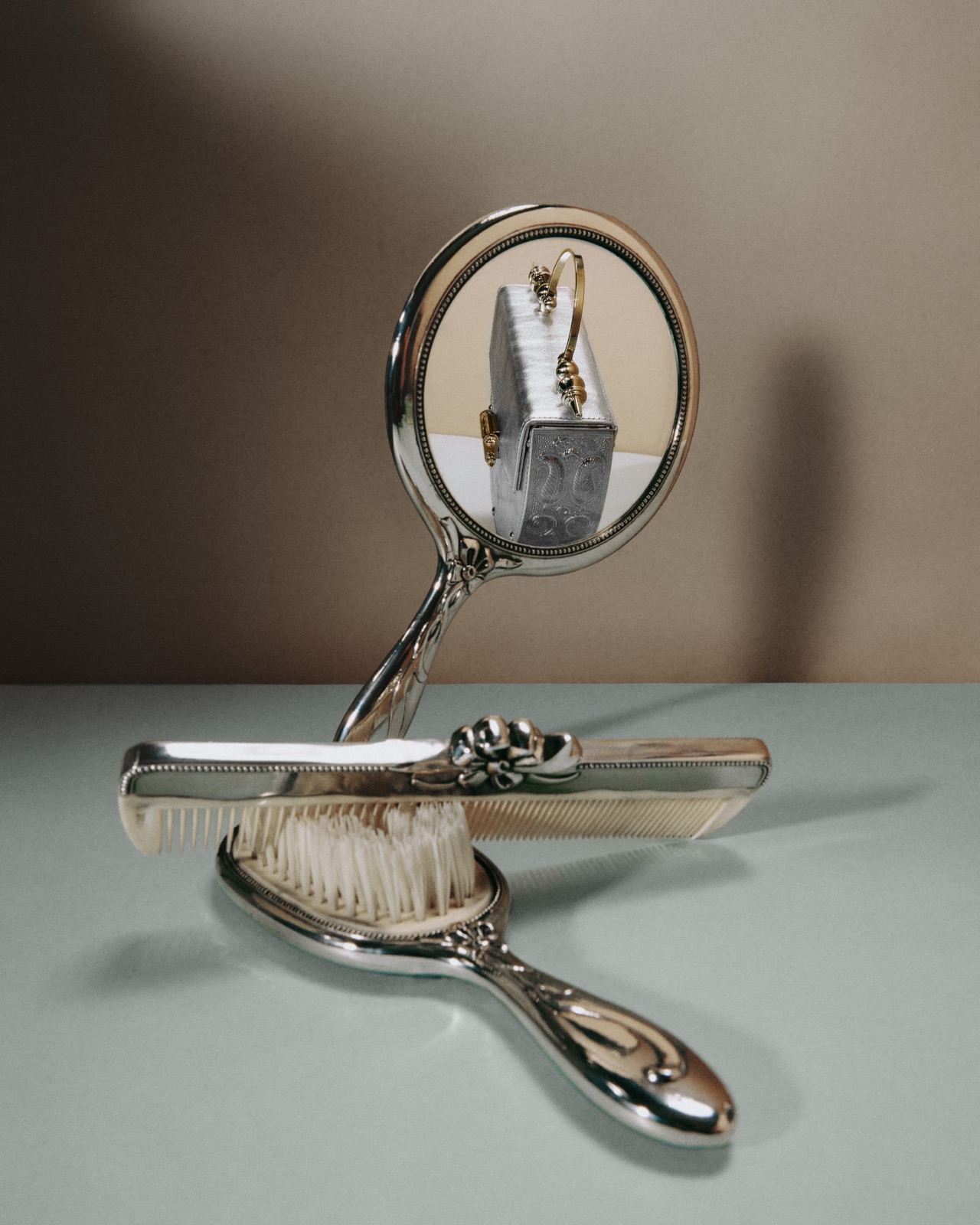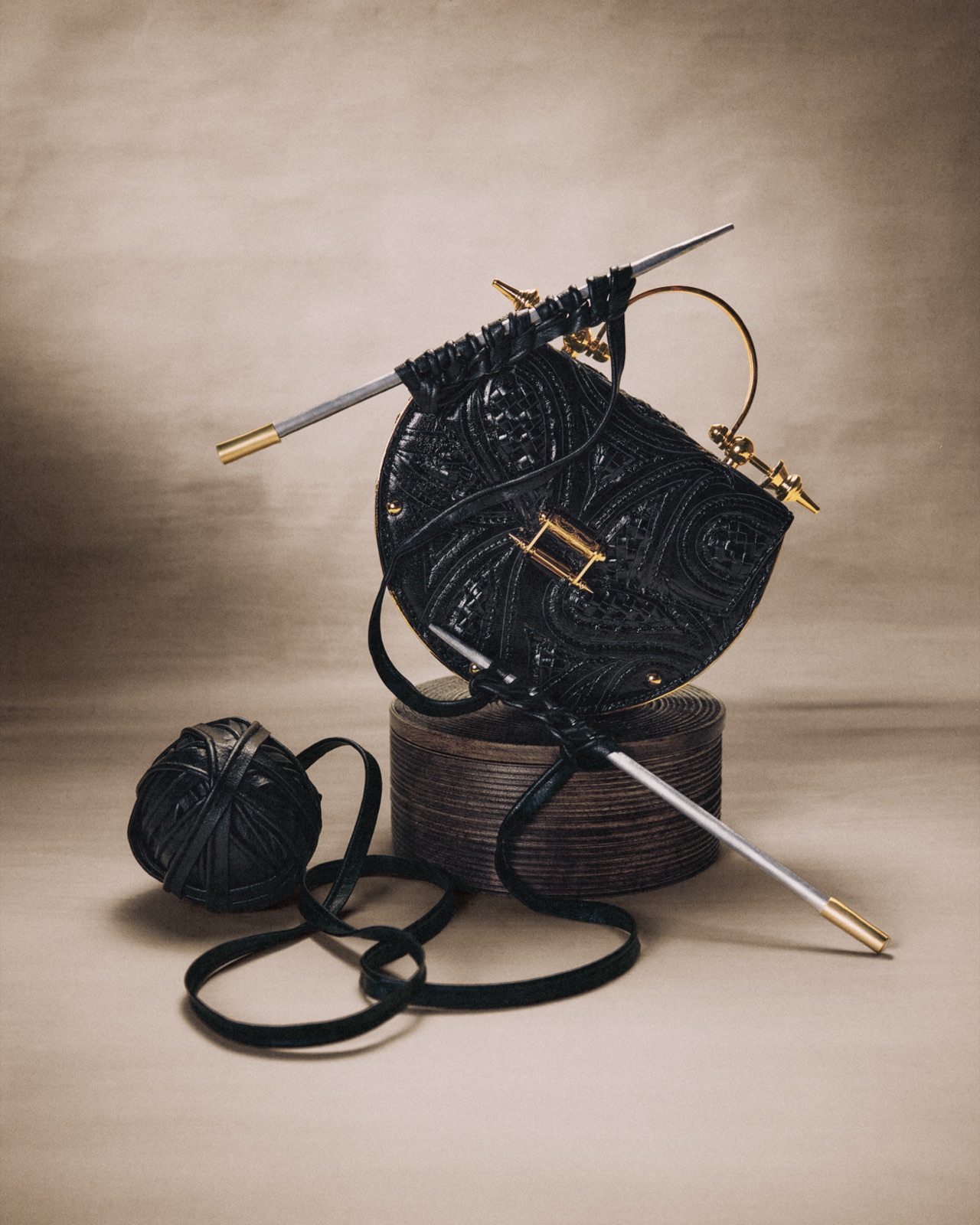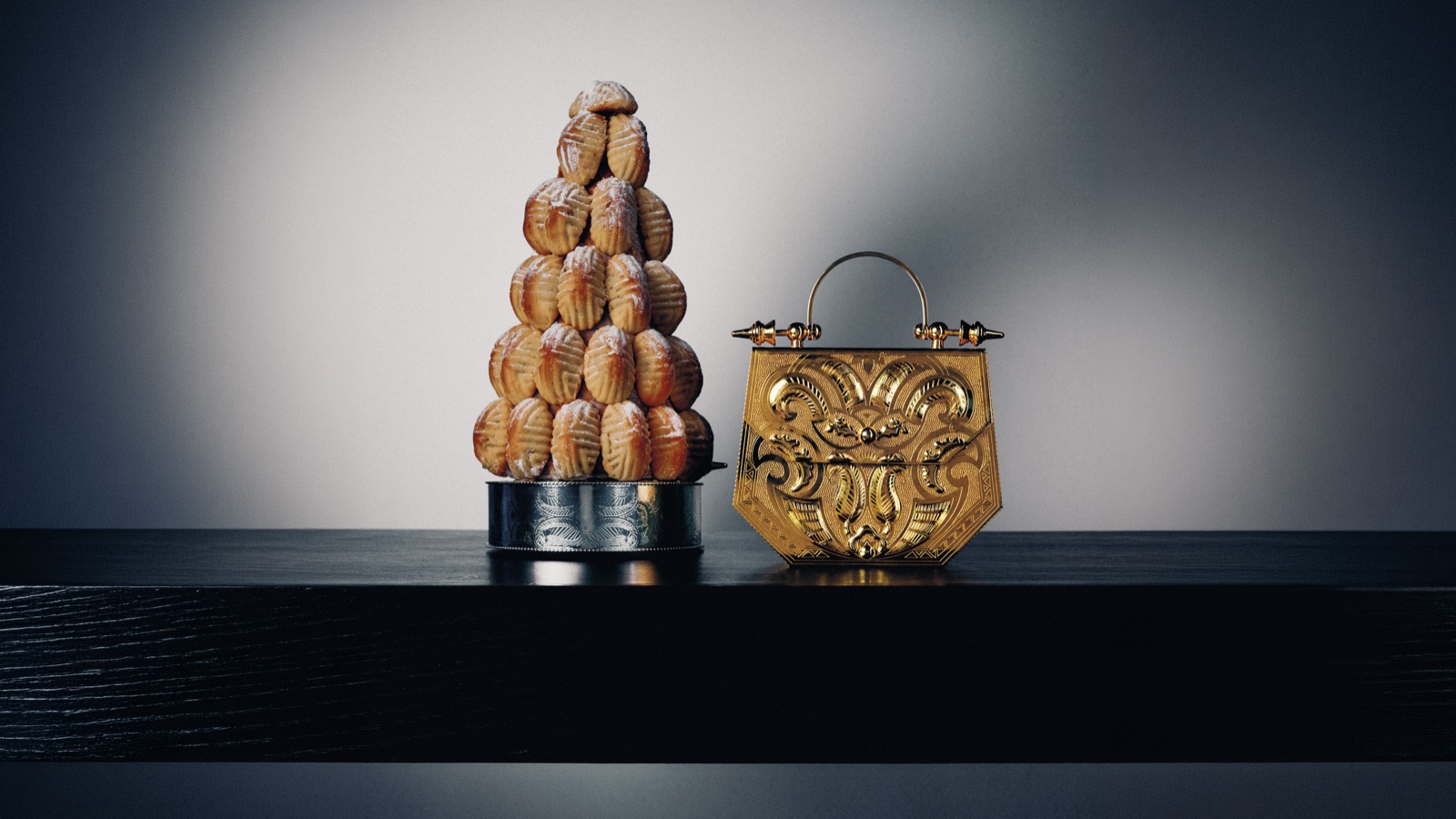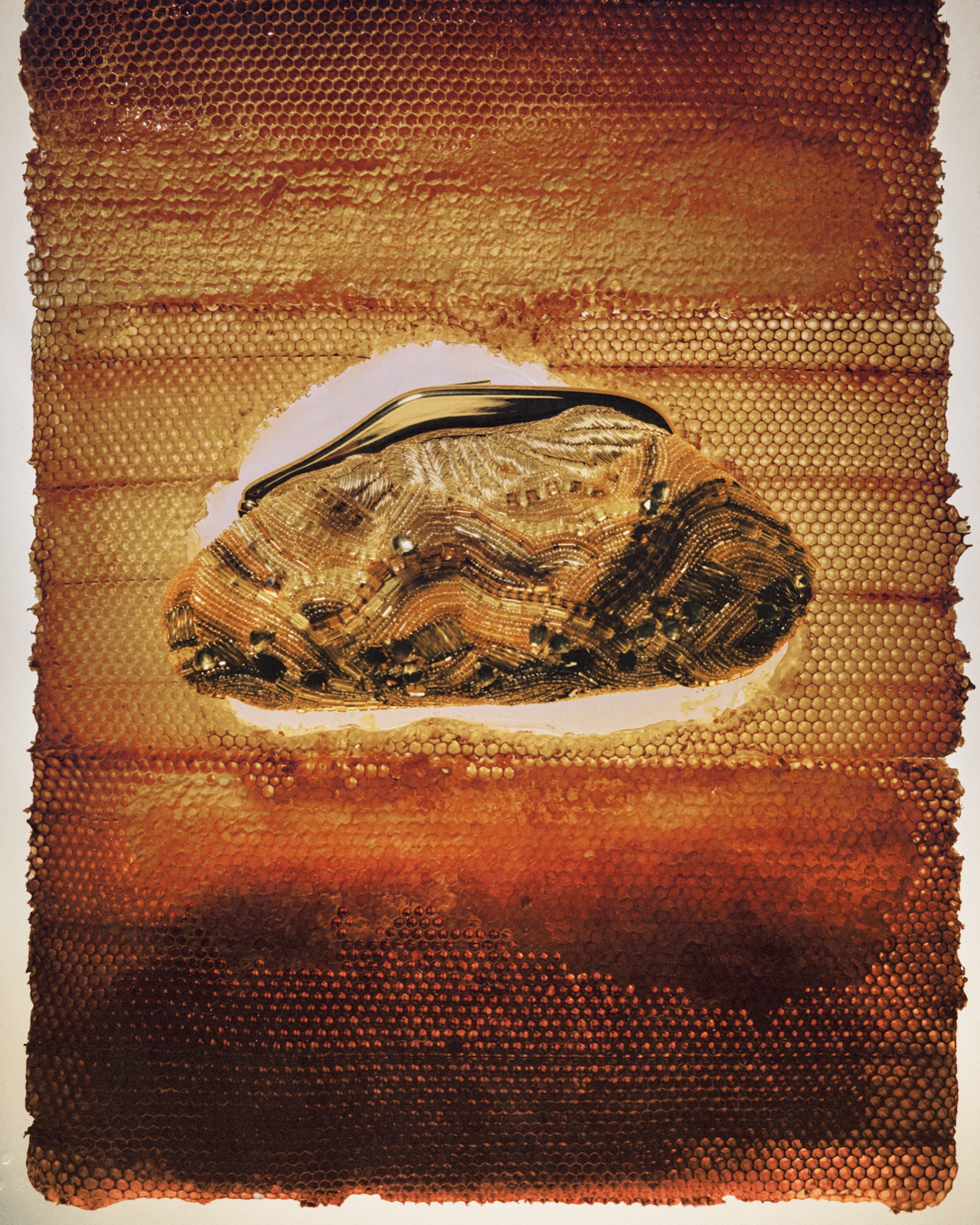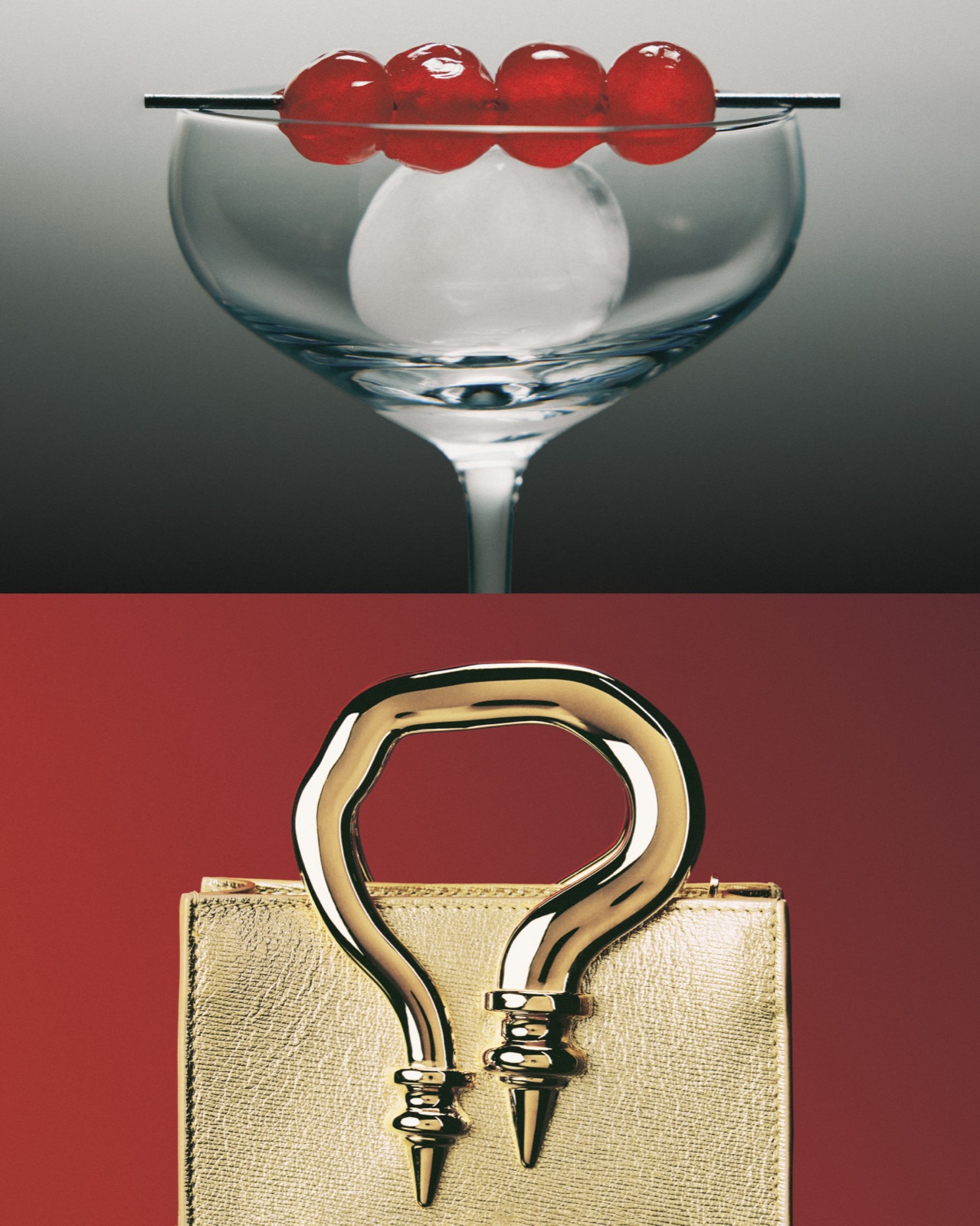
Okhtein has a wide range of silhouettes, materials and designs, with each bag carrying its own character. The starting point for the project was finding a way to organize this variety while still giving each family a distinct identity. The project developed in two parts: the Family Reveal, which established a visual system for the collection, followed by persona-driven still lifes, where that system expanded into the worlds of individual characters.
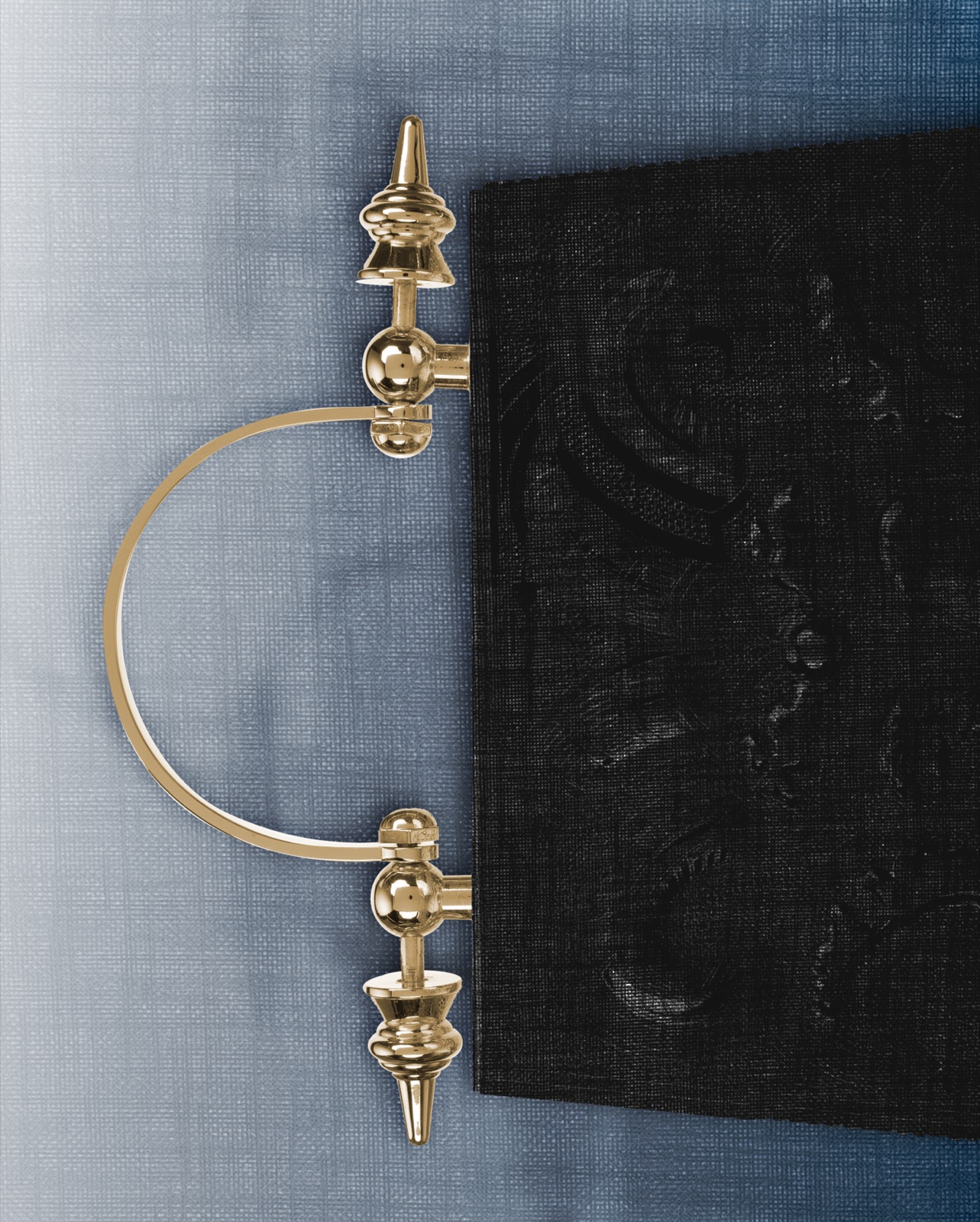
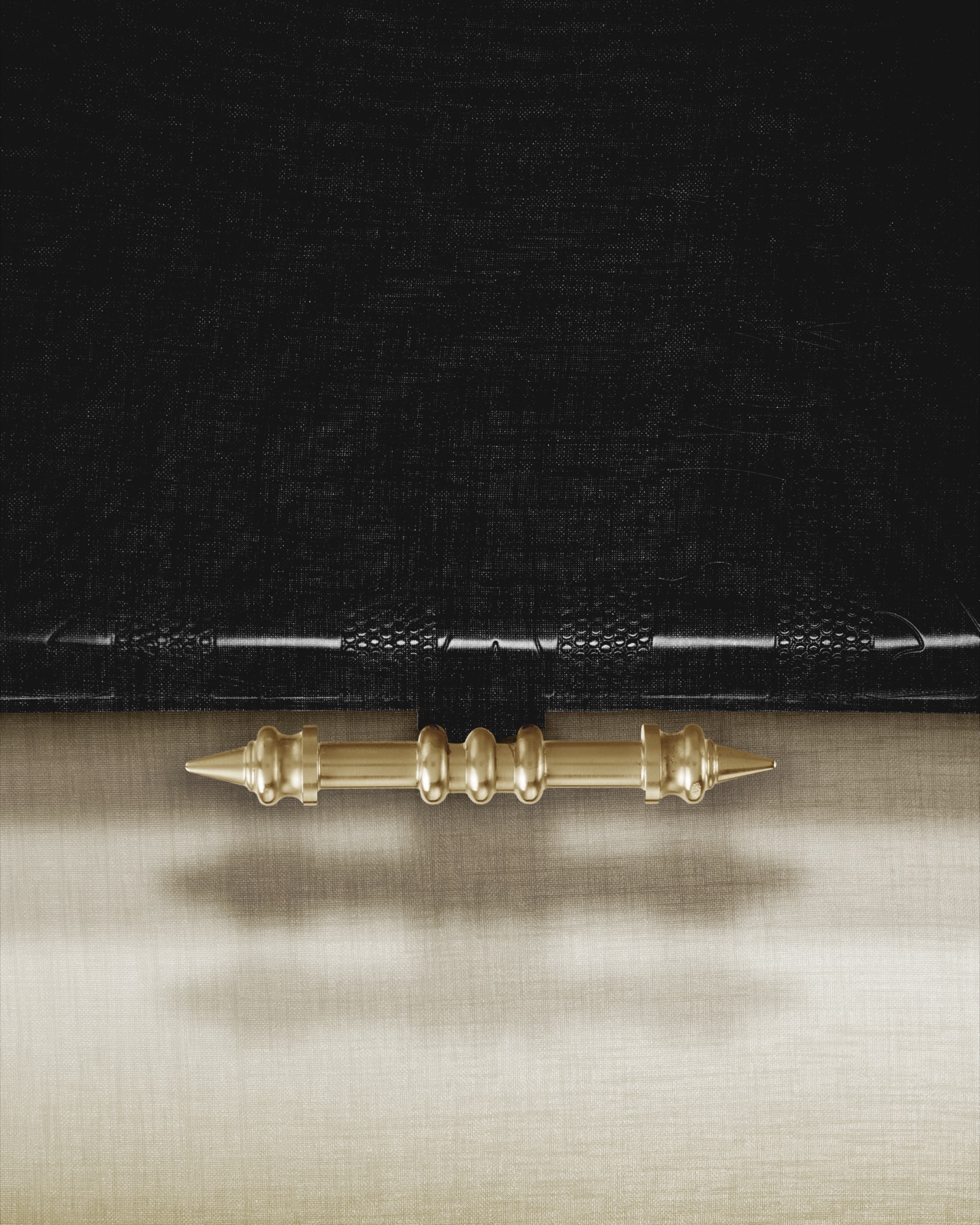
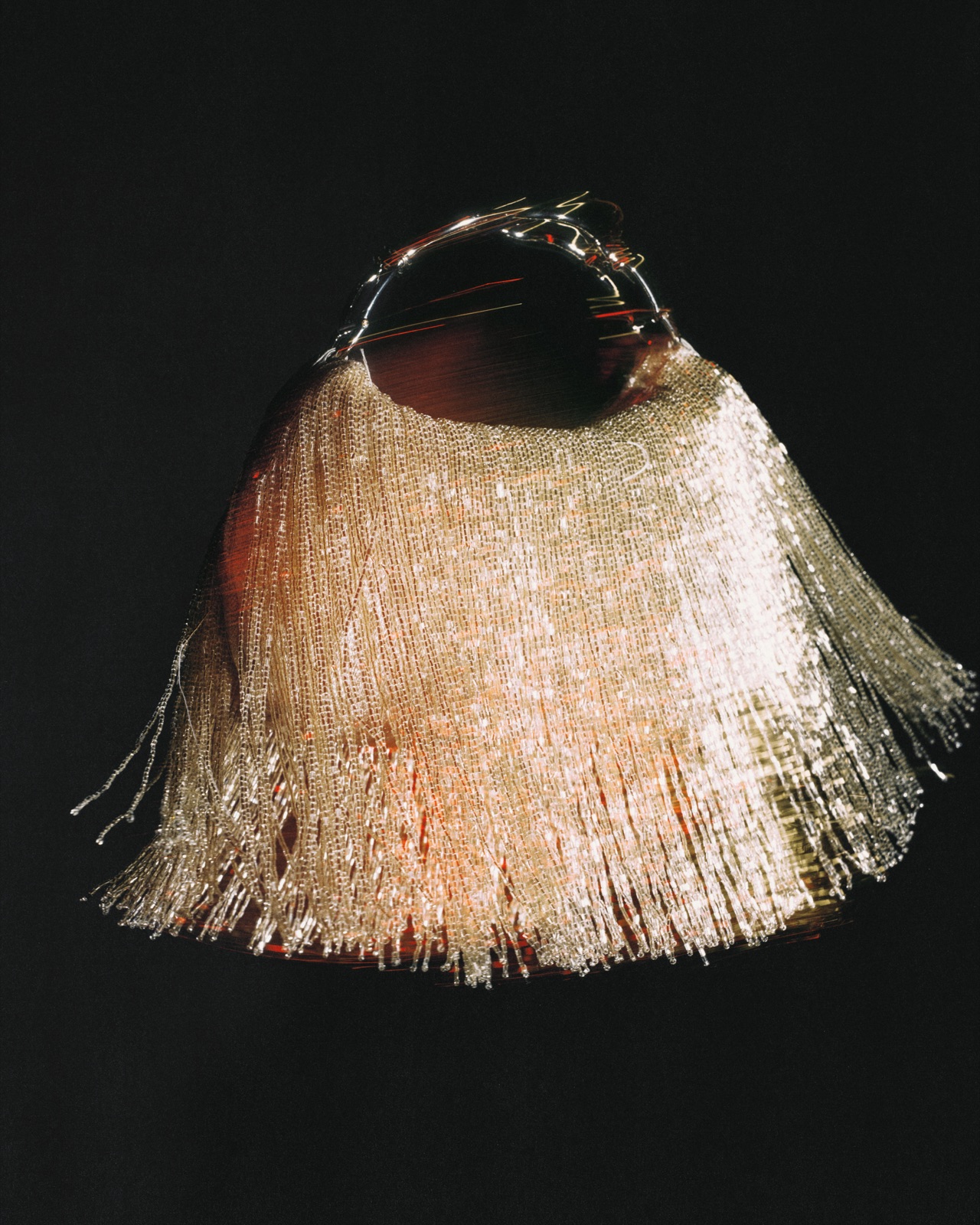
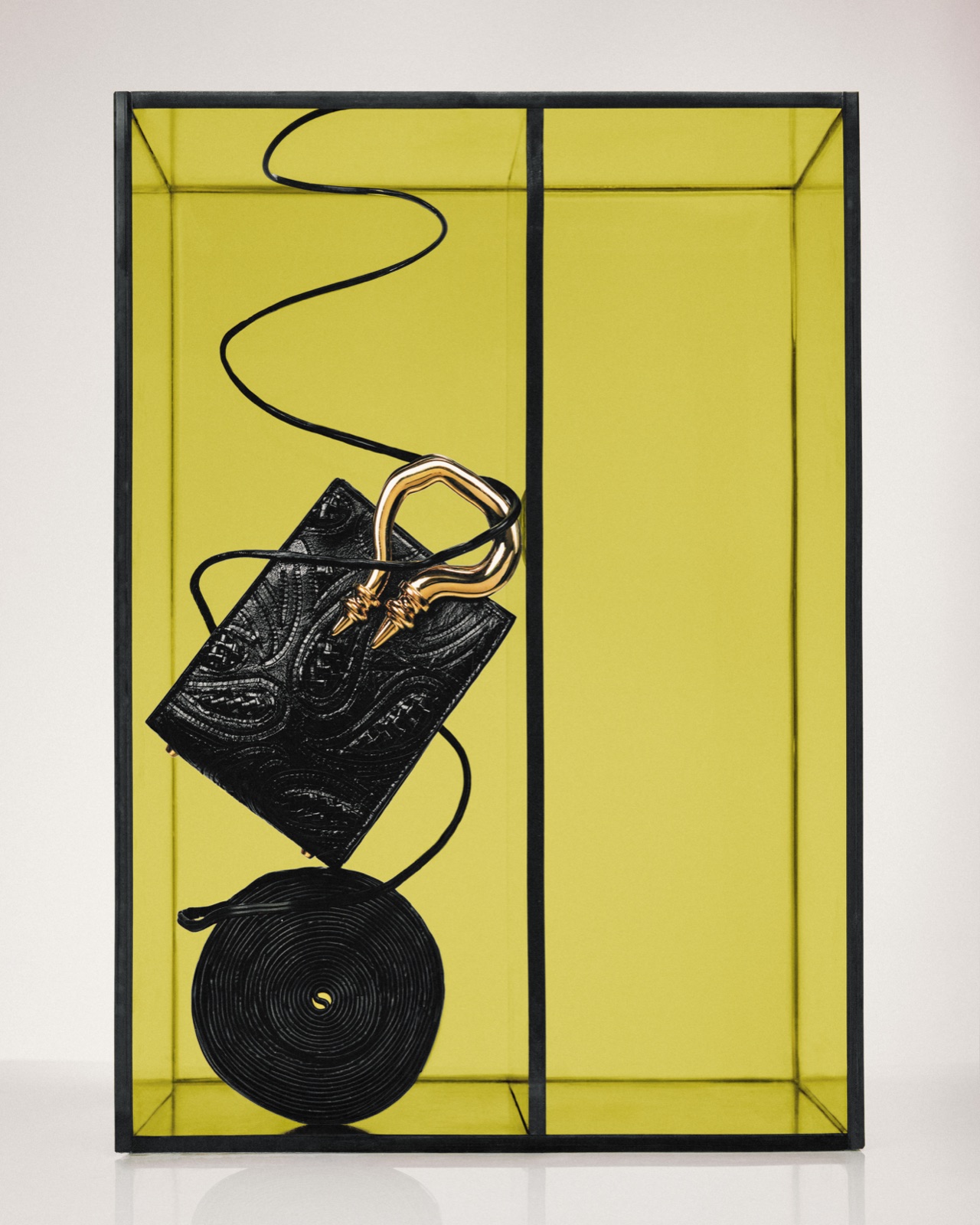
01 — Family RevealAcross the different designs, hardware was the one element that consistently connected the collection. Instead of revealing each bag in full, we decided to make the hardware the hero. The bags would remain largely in silhouette, while controlled light isolated and revealed the hardware. This created a simple visual code for the six families — one that could work across different silhouettes and continue to accommodate new designs.
The idea of using light to reveal the hardware led us to research the deliberate use of light and shadow in Ancient Egyptian architecture — from controlled openings that illuminated specific objects to the use of reflection and shadow to transform spaces. This felt particularly relevant to Okhtein, whose work draws from Egyptian motifs, symbolism and heritage, while translating them into a contemporary fashion language. We translated this into the shoot through directional light, deep shadow and controlled reveals, treating the bags almost like objects being uncovered.
We introduced papyrus as part of the visual system, creating a more direct connection between the campaign and Okhtein's Egyptian heritage. Historically used as a medium for recording and preserving knowledge, papyrus became a surface for the light to interact with — bringing texture and depth into the images while referencing ideas of heritage, preservation and continuity. It allowed the Egyptian reference to exist within the actual construction of the image, rather than simply appearing as a decorative reference.
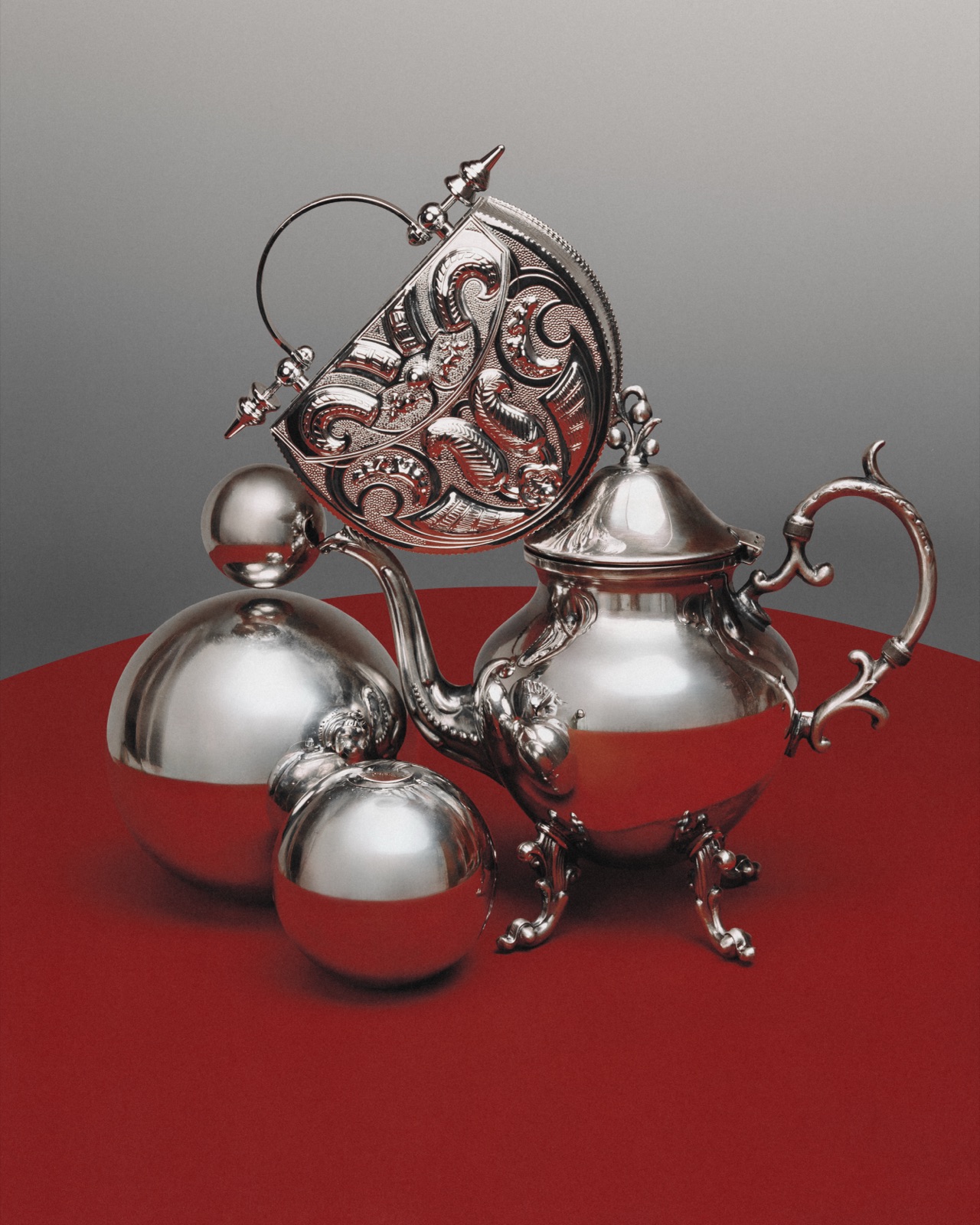
02 — HeirOnce the family system was established, we shifted the question from “what defines this bag?” to “who would choose it?” For Heir, we developed the persona around heritage, collecting, cultural knowledge and cultivated taste. Rather than depicting the character directly, we built her through the things that surround her: what she collects, reads, eats, recognizes and values.
The still lifes became a collection of clues. Vintage silver objects speak to her instinct to collect. Arabic tales create a sense of literary and cultural depth. A dallah and coffee reading reference familiar Arab rituals, while the genie lamp brings folklore and desire into the world. Other setups use dates, palmette motifs, fish and craft to create connections between the bag and its cultural environment. The intention was for every prop to tell us something about the person, rather than simply make the product look interesting.
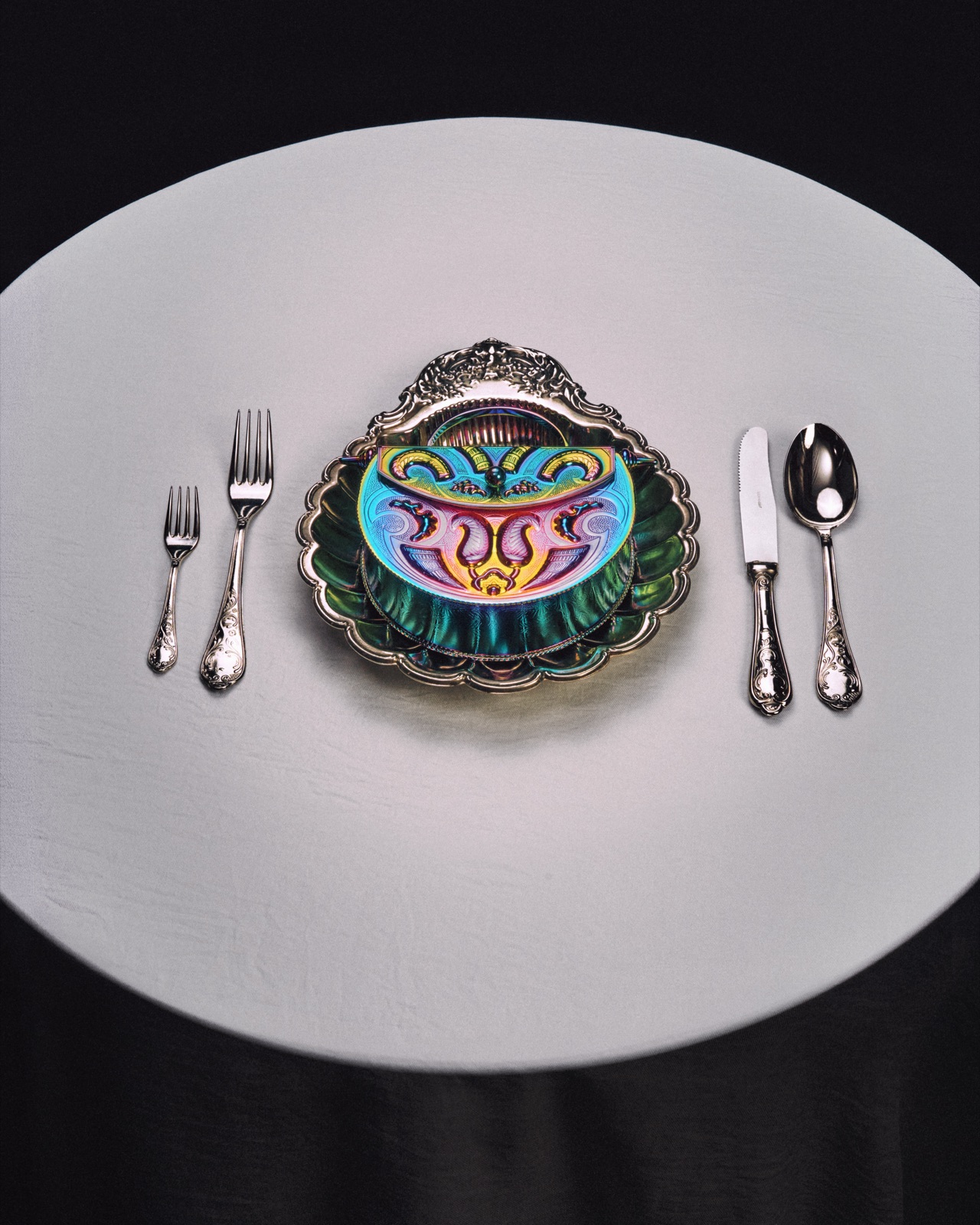
03 — MuseFor Muse, we kept the same persona-led approach but built a completely different visual world. Where Heir is more rooted in heritage and collecting, Muse is playful, indulgent, curious and hands-on. We looked at her relationship with food, fashion, craft, romance and the unexpected things she finds desirable.
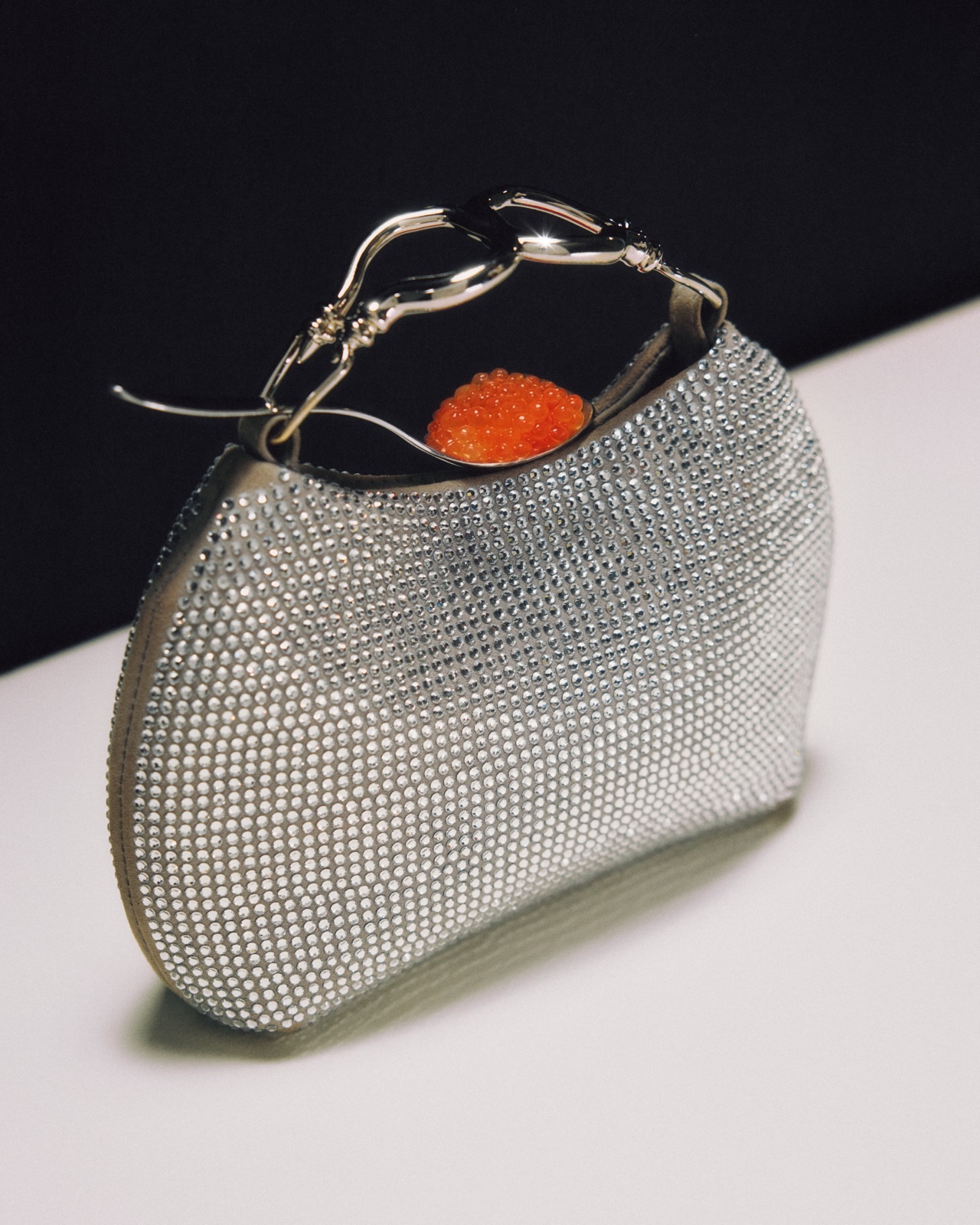
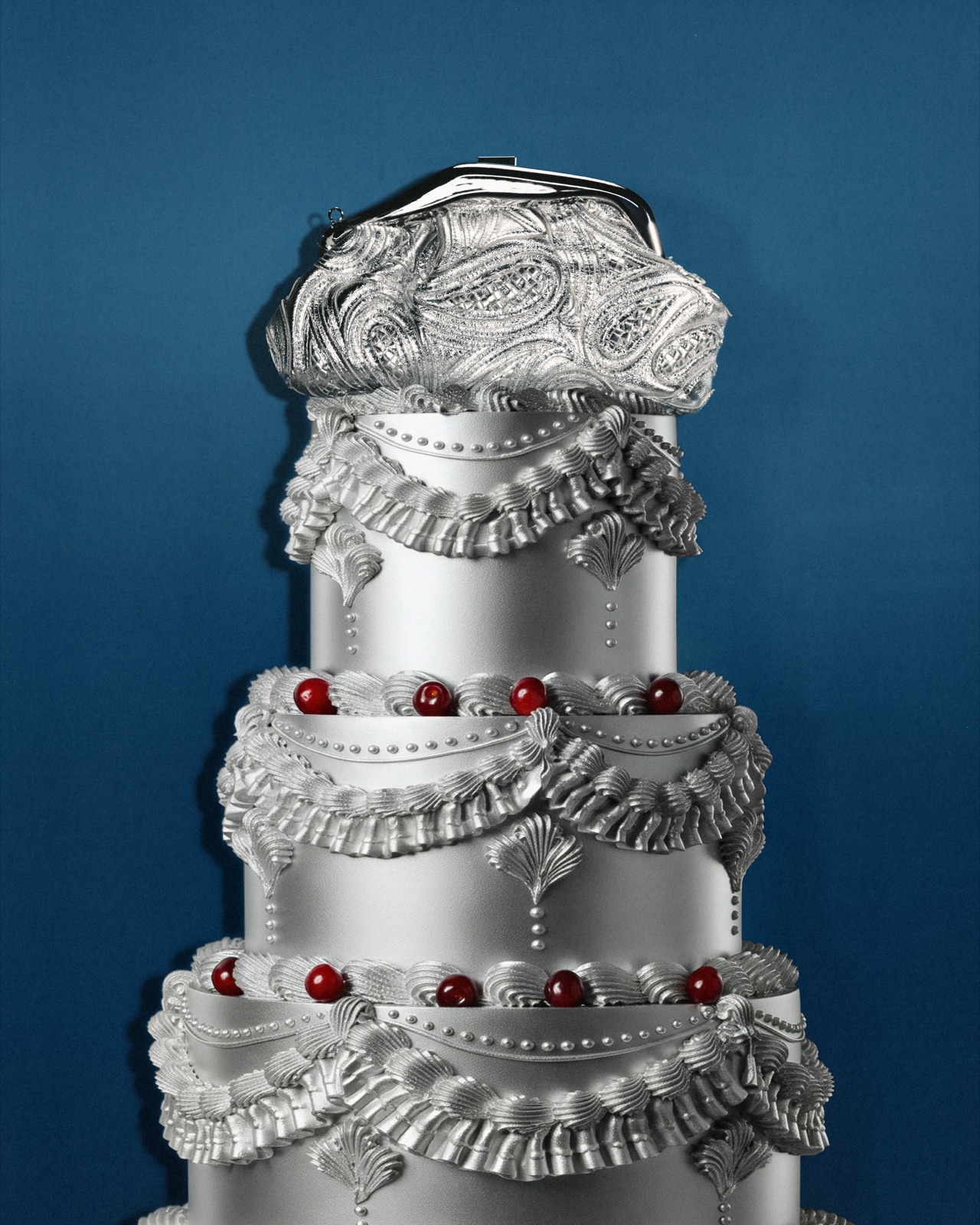
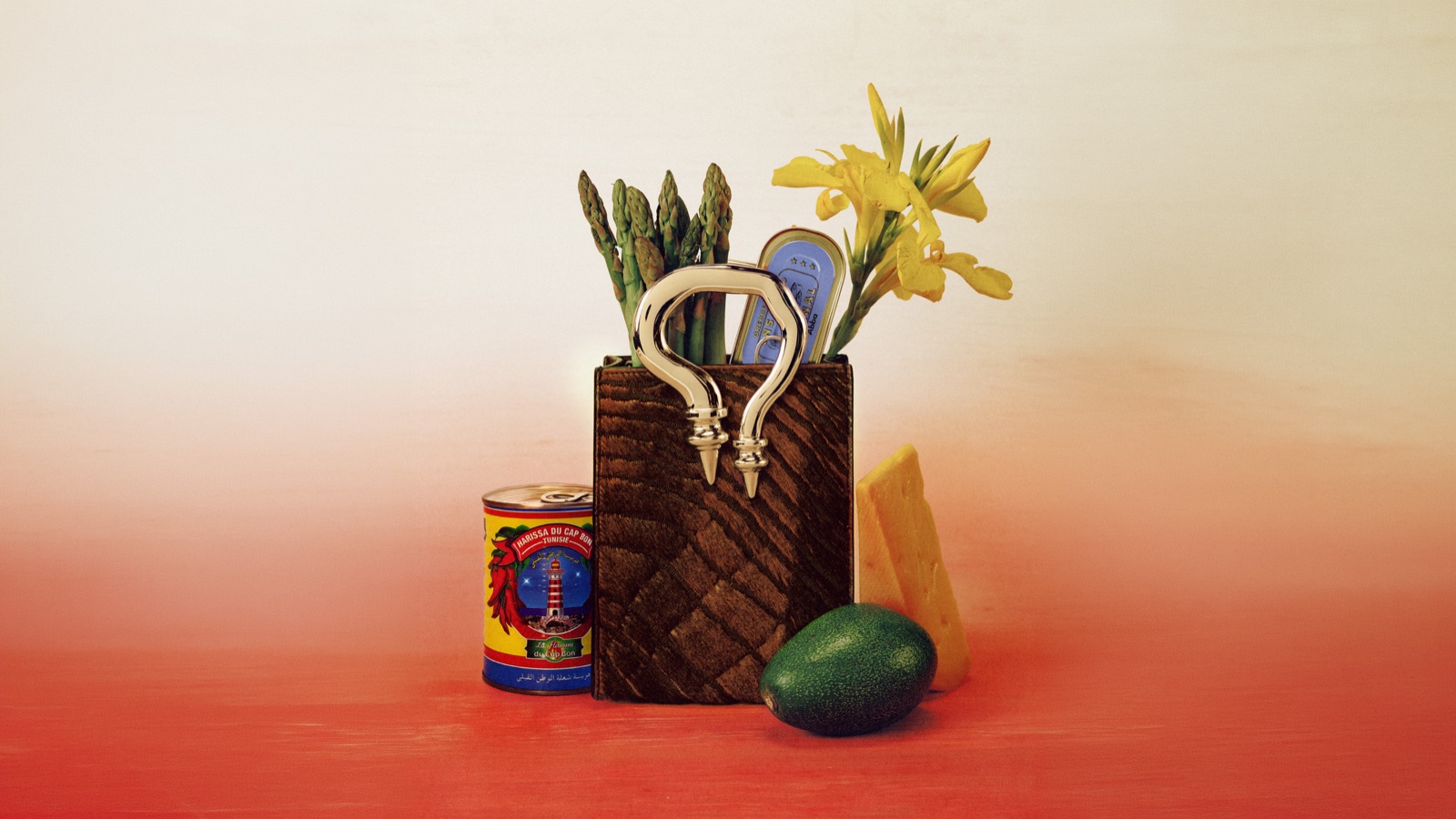
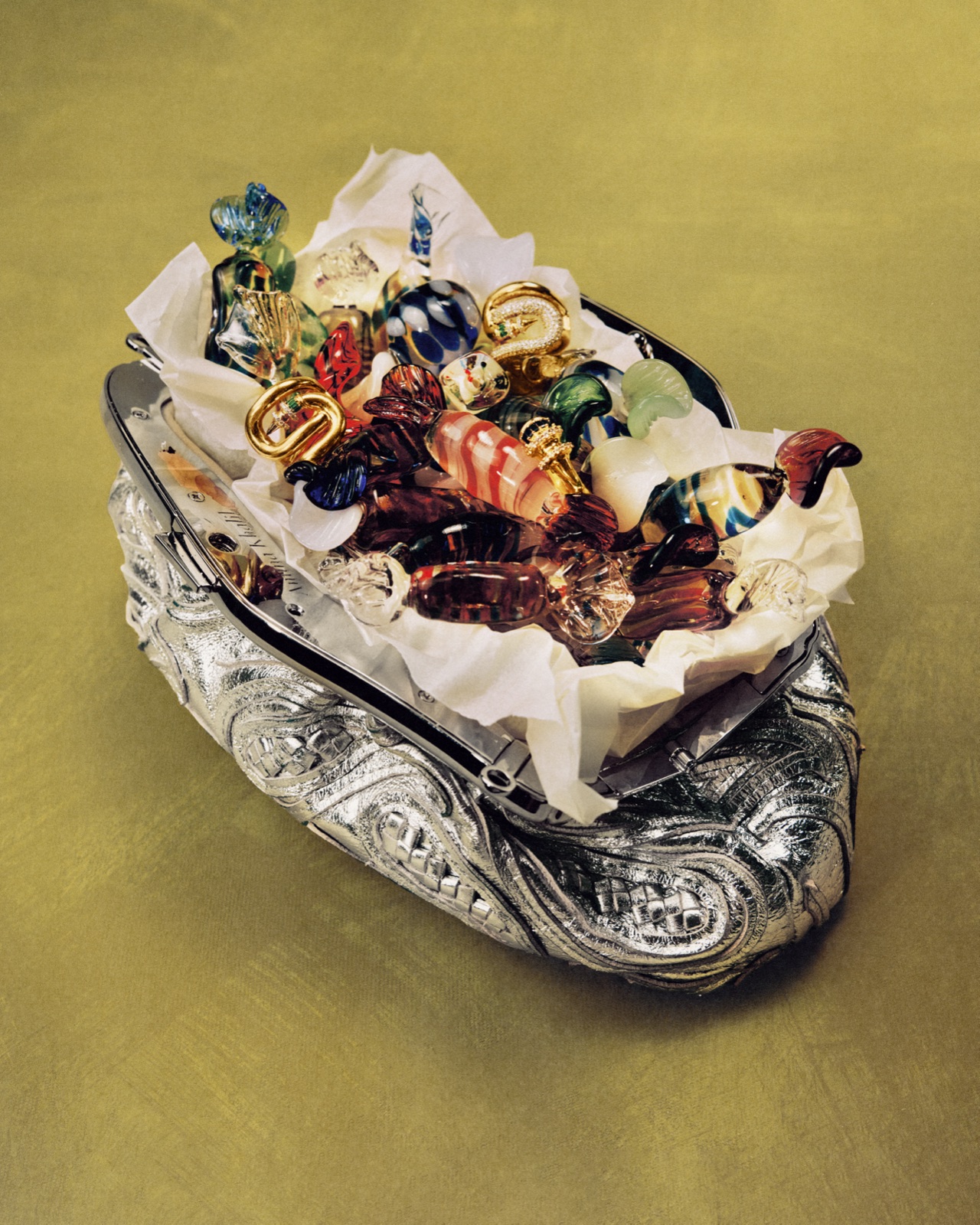
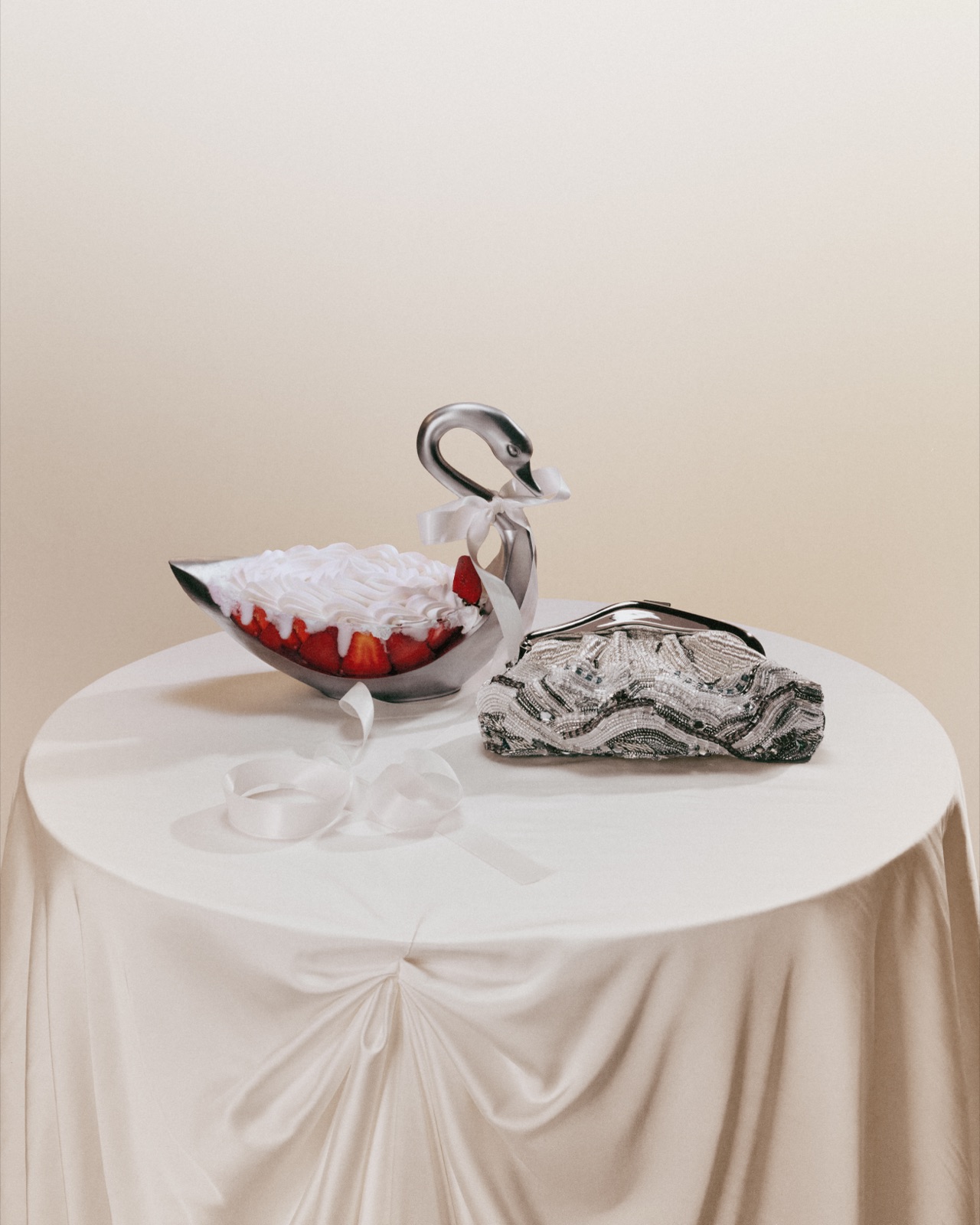
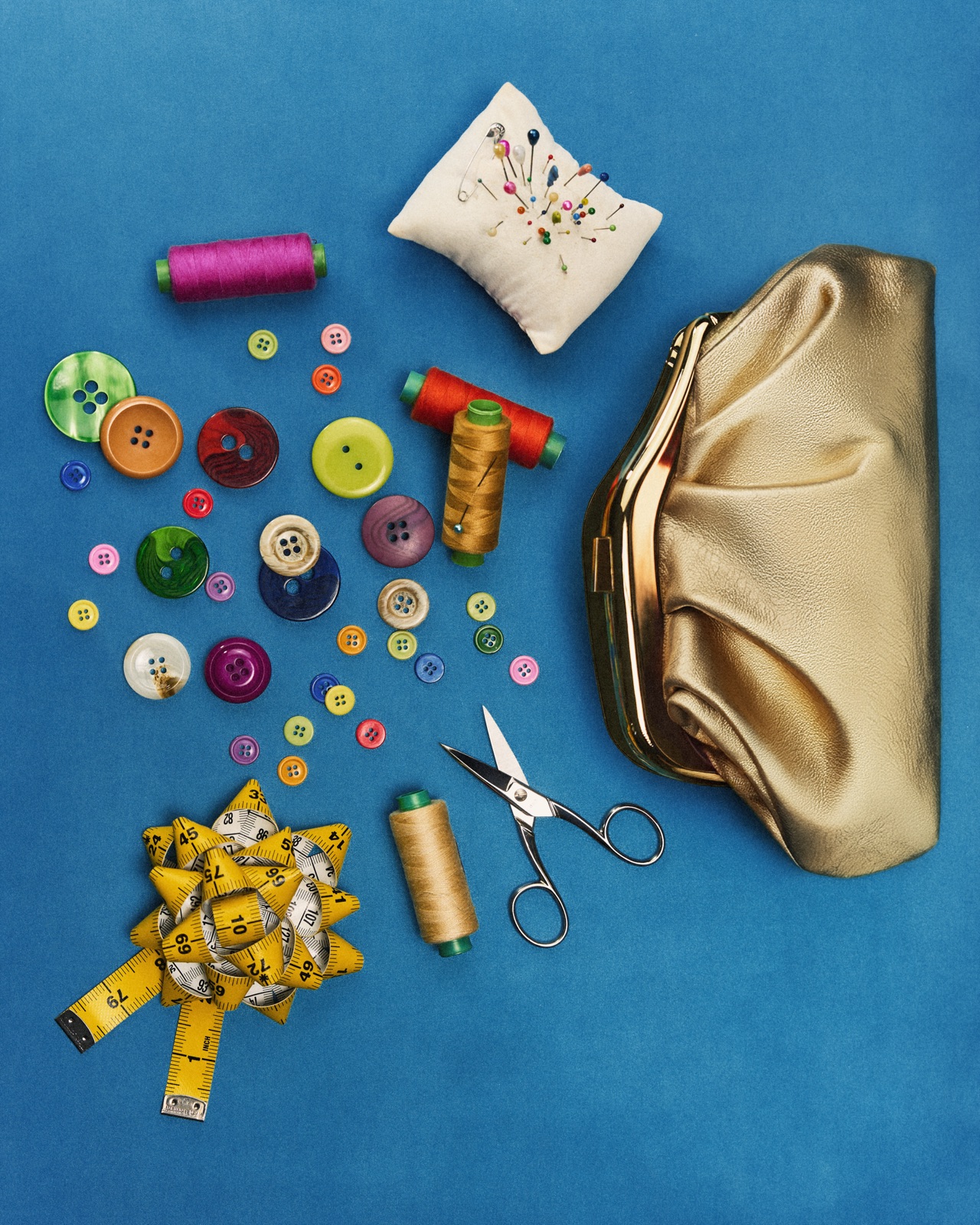
The compositions were built around connections between the bag and its surroundings. A metallic cake mirrors the bag's materiality. Caviar echoes its circular hardware. Glass-wrapped candies turn the open bag into a playful “what's in my bag?” moment, while also bringing in shine, texture and a sense of collected trinkets. Grocery items bring together everyday staples with more indulgent, travel-inspired tastes. Sewing tools reflect her crafty, hands-on side.