A multidisciplinary exploration of touch, presence & human connection.
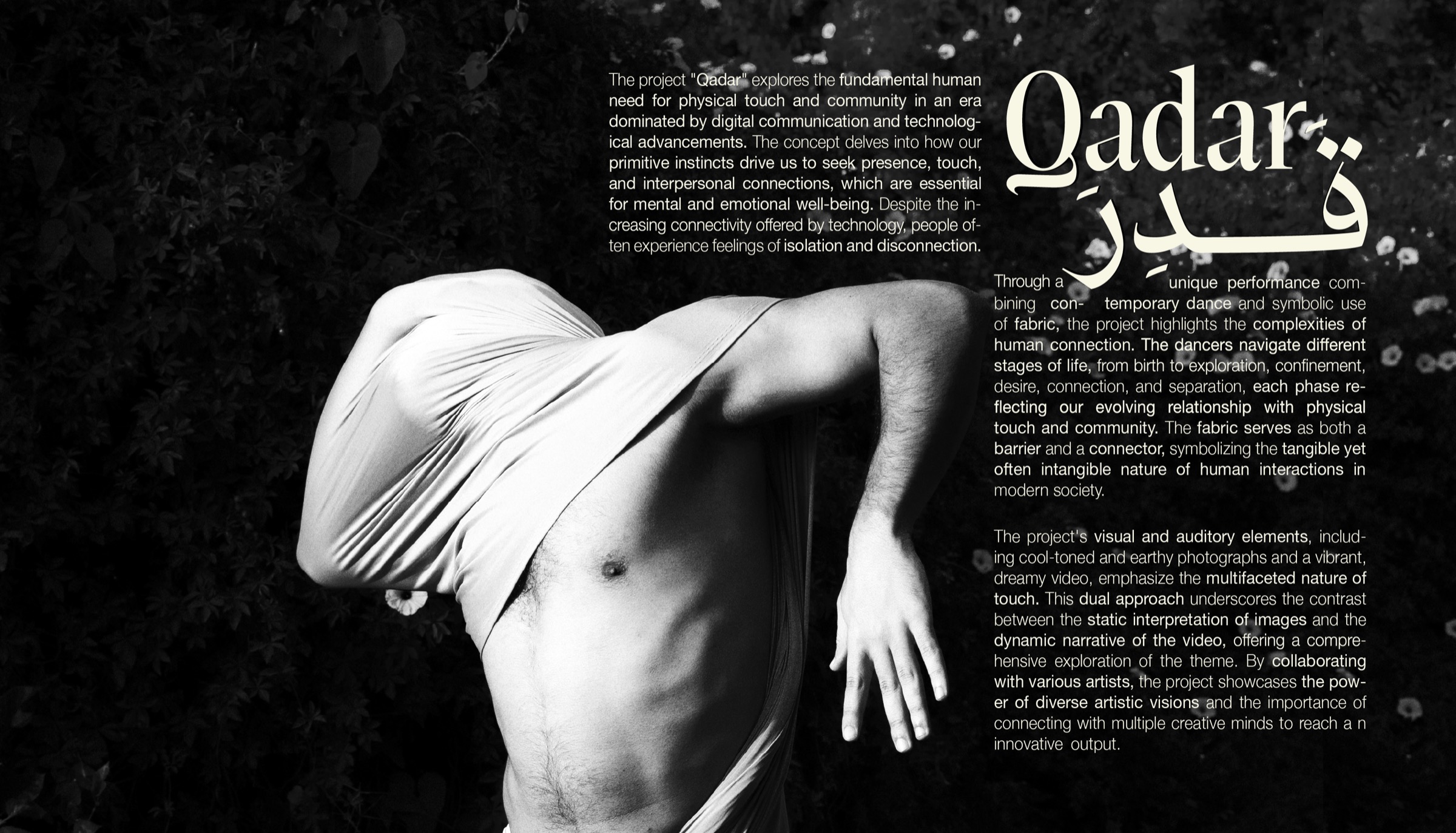
Qadar is a multidisciplinary performance-based project exploring the fundamental human need for touch, presence and community in an increasingly digital and disconnected world.
The project began as a personal investigation into my relationship with movement and my own sense of physicality. Dance has always been one of my most liberating forms of expression, yet I found myself increasingly disconnected from my own body — moving through life almost automatically, waiting for something to bring me back into it. That feeling became a larger question: what happens when we lose touch with one of our most primitive forms of communication? Qadar became an attempt to explore that question through movement, fabric, sound, photography, film and research.
The Starting PointThe first spark came from listening to Dr. Gabor Maté speak about the importance of physical contact in early childhood development. The idea that touch is not simply affection, but something deeply tied to our emotional and physical development, stayed with me. It made me think about how instinctively human beings seek closeness from the moment we are born — being held, touched, surrounded, comforted and eventually becoming part of larger communities.
From there, I began looking at the ways we live today. We have never been more digitally connected, yet physical presence increasingly feels optional. Technology has changed the way we communicate, social media has altered the way we experience one another, and a culture built around speed, productivity and individual responsibility has slowly pulled us away from shared spaces and collective ways of living. I became interested in the tension between how we live and how we are biologically wired to live. Qadar grew from that tension.
The ResearchThe project became an ongoing investigation into touch, community, technology and the body. I explored touch as our earliest form of communication — something that exists before language and continues to communicate when language fails. I looked into touch and early development: the role of physical contact, attachment and proximity in childhood development and emotional wellbeing. Community and collectivism: the ways human beings historically relied on shared spaces, rituals, play and physical proximity to survive and form social bonds. Technology and disconnection: how digital communication has expanded our ability to connect while simultaneously changing the quality of our physical interactions. Capitalism and individualism: ideas around the privatization of stress and mental health, and how increasingly individualistic systems can shift the responsibility for wellbeing away from society and onto the individual. Social media and curated reality: the contradiction of being constantly connected while experiencing loneliness, comparison and social isolation. The research wasn't intended to produce one definitive answer. Instead, it became a collection of questions that shaped the physical language of the work.
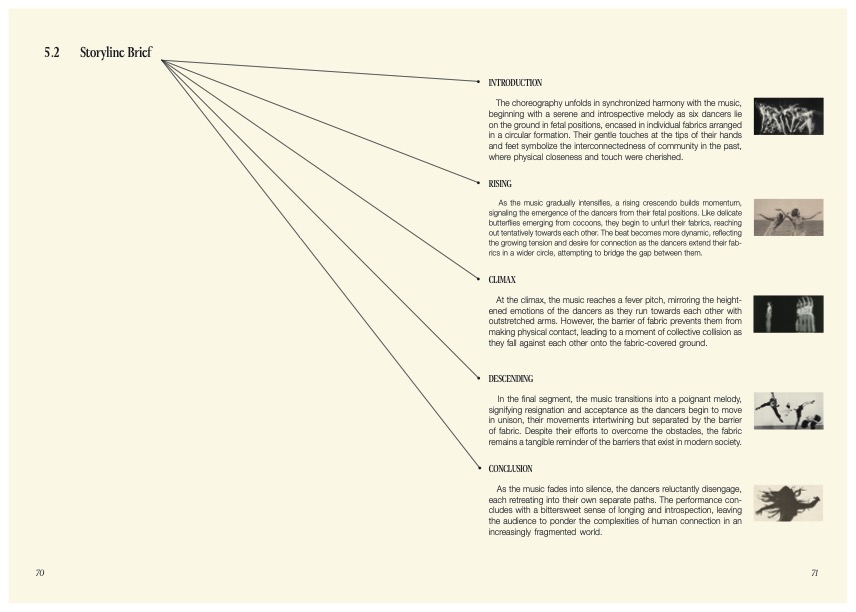
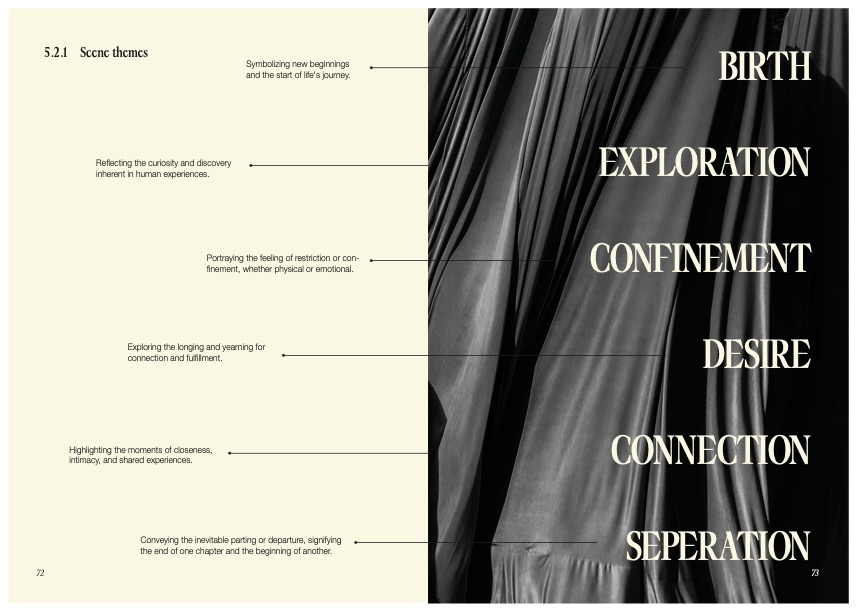
From Research to MovementRather than illustrating the research literally, I wanted to translate it into something physical and intuitive. The performance became an abstract representation of the human journey through connection. It unfolds across six chapters.01 — Birth. Our first experience of touch. A state of dependence, safety and belonging — before we understand ourselves as separate from another body.02 — Exploration. The body discovering itself and its surroundings. Curiosity, play, instinct and the gradual understanding of space and other people.03 — Confinement. The introduction of boundaries. The body begins to experience restriction, separation and the structures that shape how we move through the world.04 — Desire. The instinct to reach outward. A longing for closeness, contact and another person — the body reaching for what it cannot quite reach.05 — Connection. A moment of shared rhythm. Bodies begin to move together, finding trust, presence and temporary togetherness.06 — Separation. The return to the individual. Distance, absence and the realization that connection can exist alongside separation.Together, the six stages trace a movement between belonging and isolation, instinct and control, closeness and distance.
Why Dance?Dance was never an arbitrary choice of medium. It has been part of my life for as long as I can remember and remains one of the ways I understand and express myself most naturally. Qadar deals with things that exist before language — touch, proximity, tension, instinct, desire, avoidance and connection. Contemporary dance allowed me to explore these ideas without prescribing one fixed interpretation. Instead of telling the audience what connection looks like, I wanted them to experience the tension of it through the body. The performance therefore became deliberately subjective. There is no dialogue explaining what the dancers are feeling. The body carries the narrative.
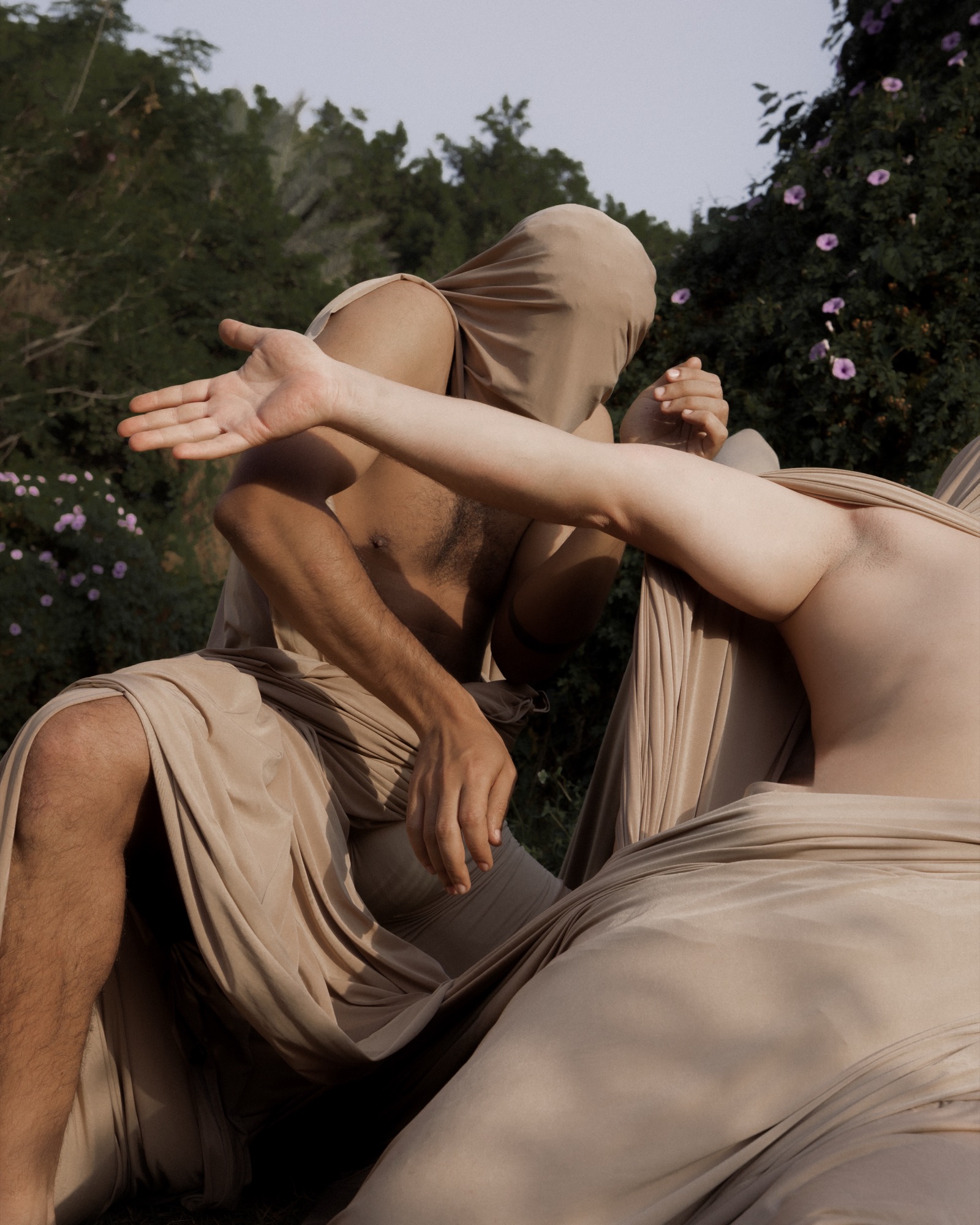
The Contactless PerformanceAt the centre of Qadar is a contradiction: a performance about touch in which the dancers rarely, if ever, touch. The performers constantly move towards one another, mirror each other, pull, reach, follow and retreat. They are close enough to feel one another, yet something remains between them. This absence became as important as physical contact itself. The work explores the space between two bodies — the tension of almost touching, the desire to reach, and the emotional weight of distance.
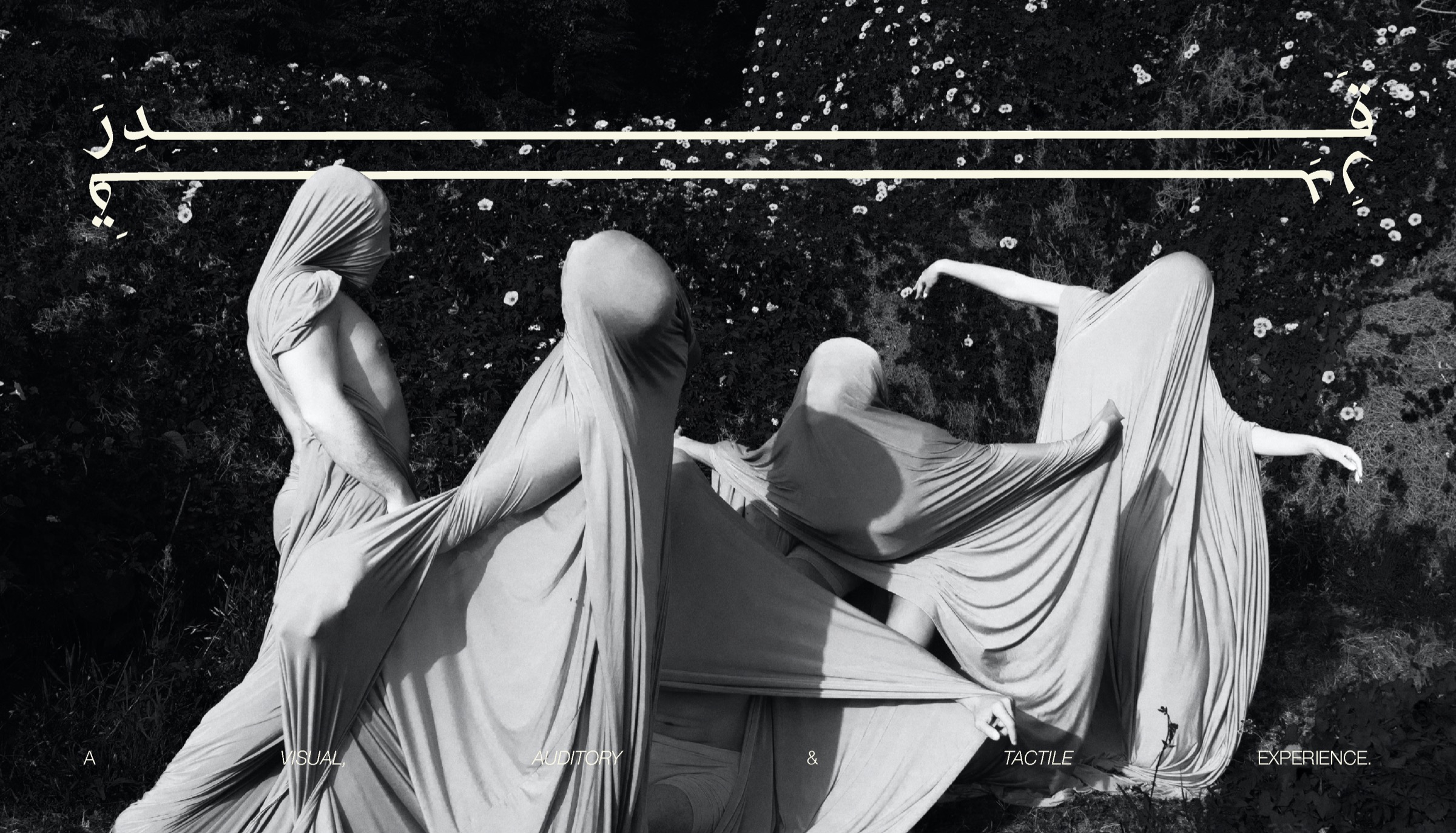
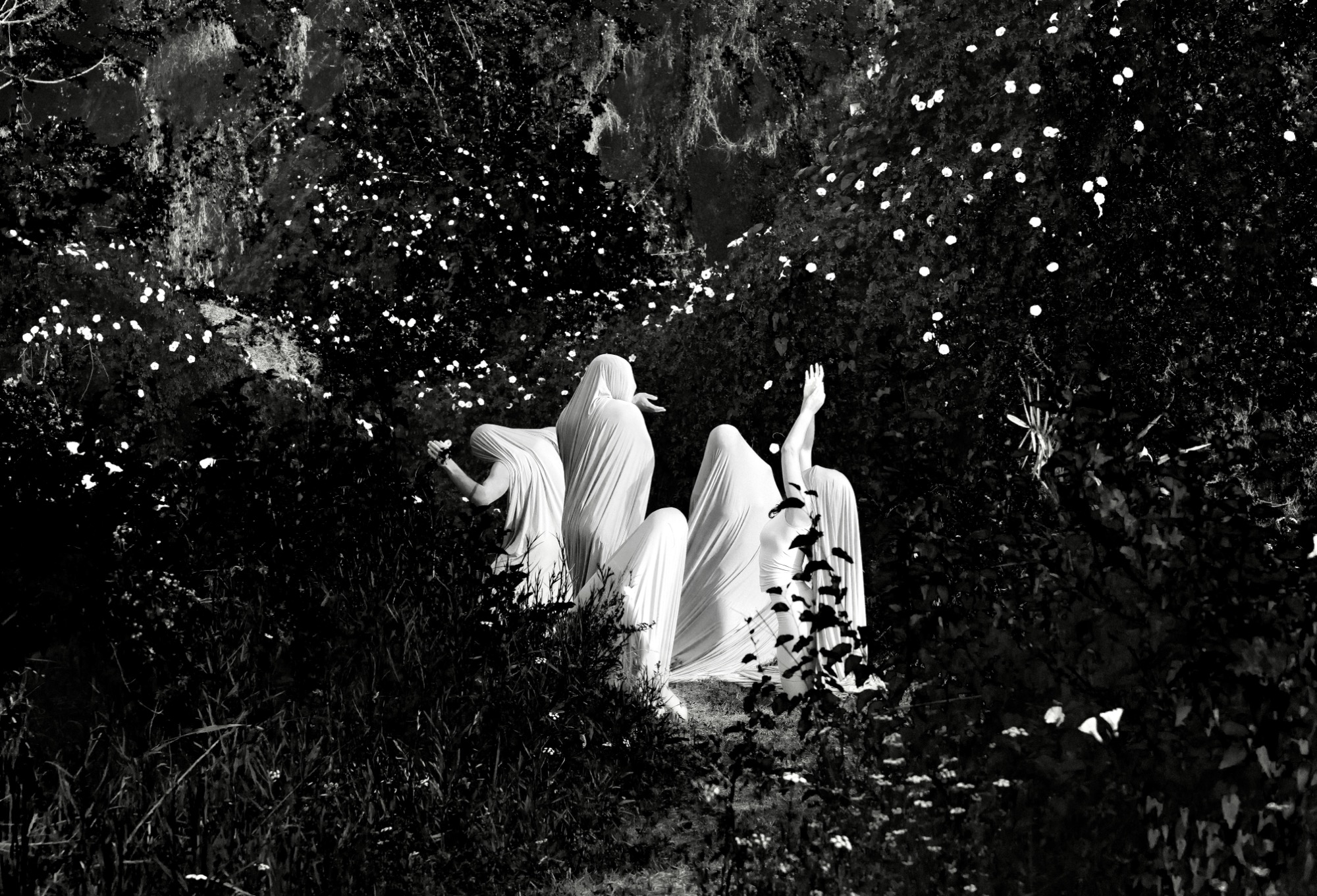
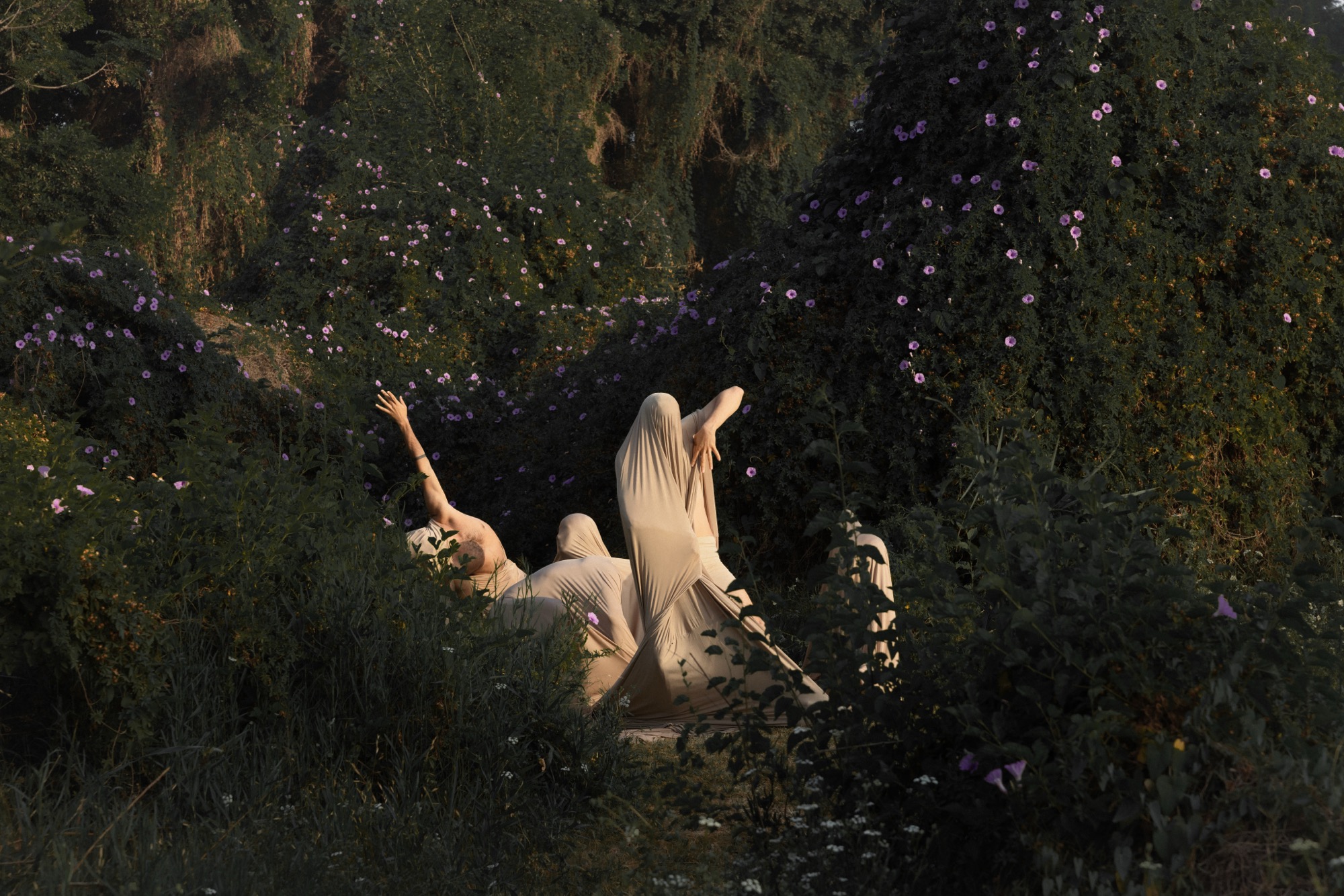
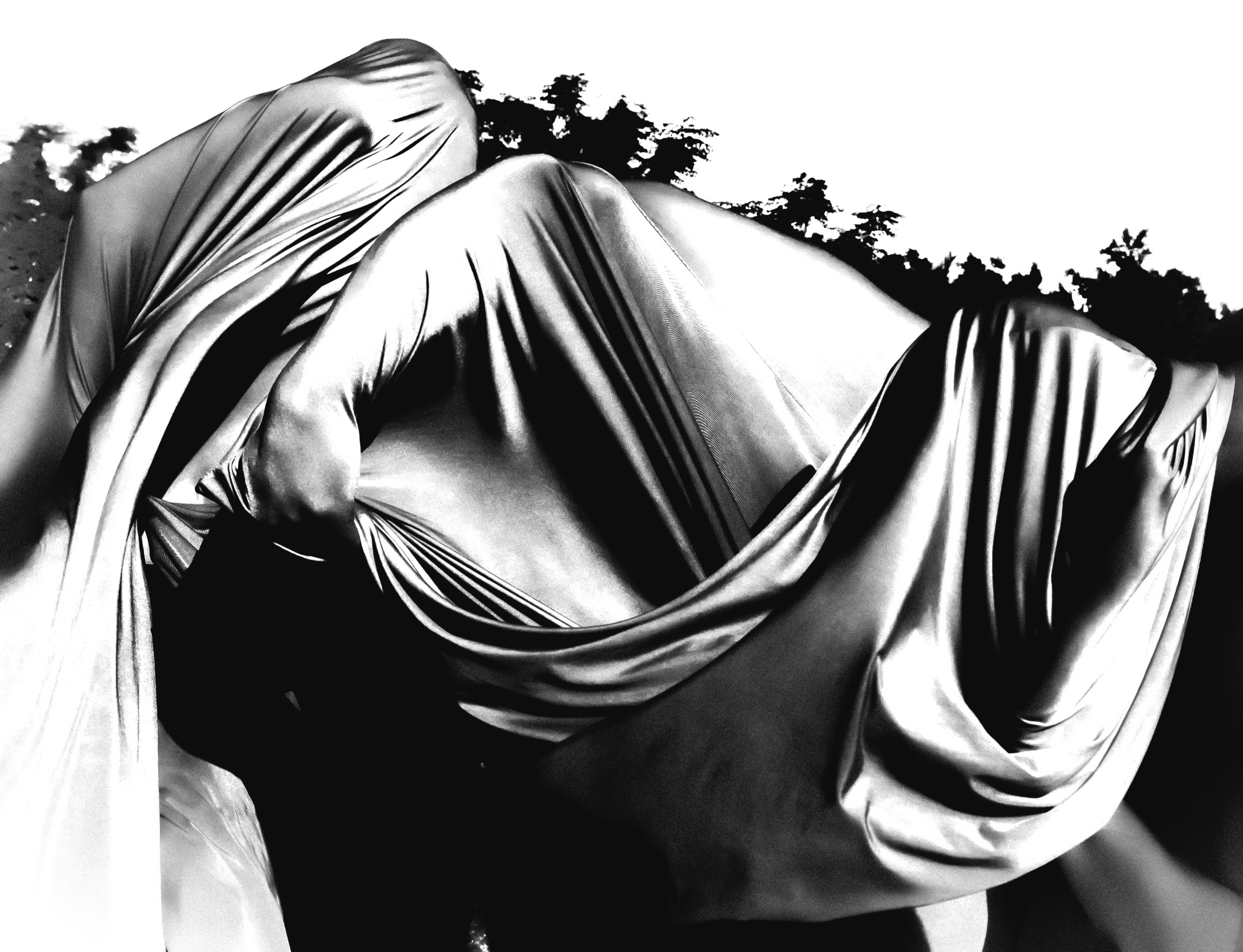
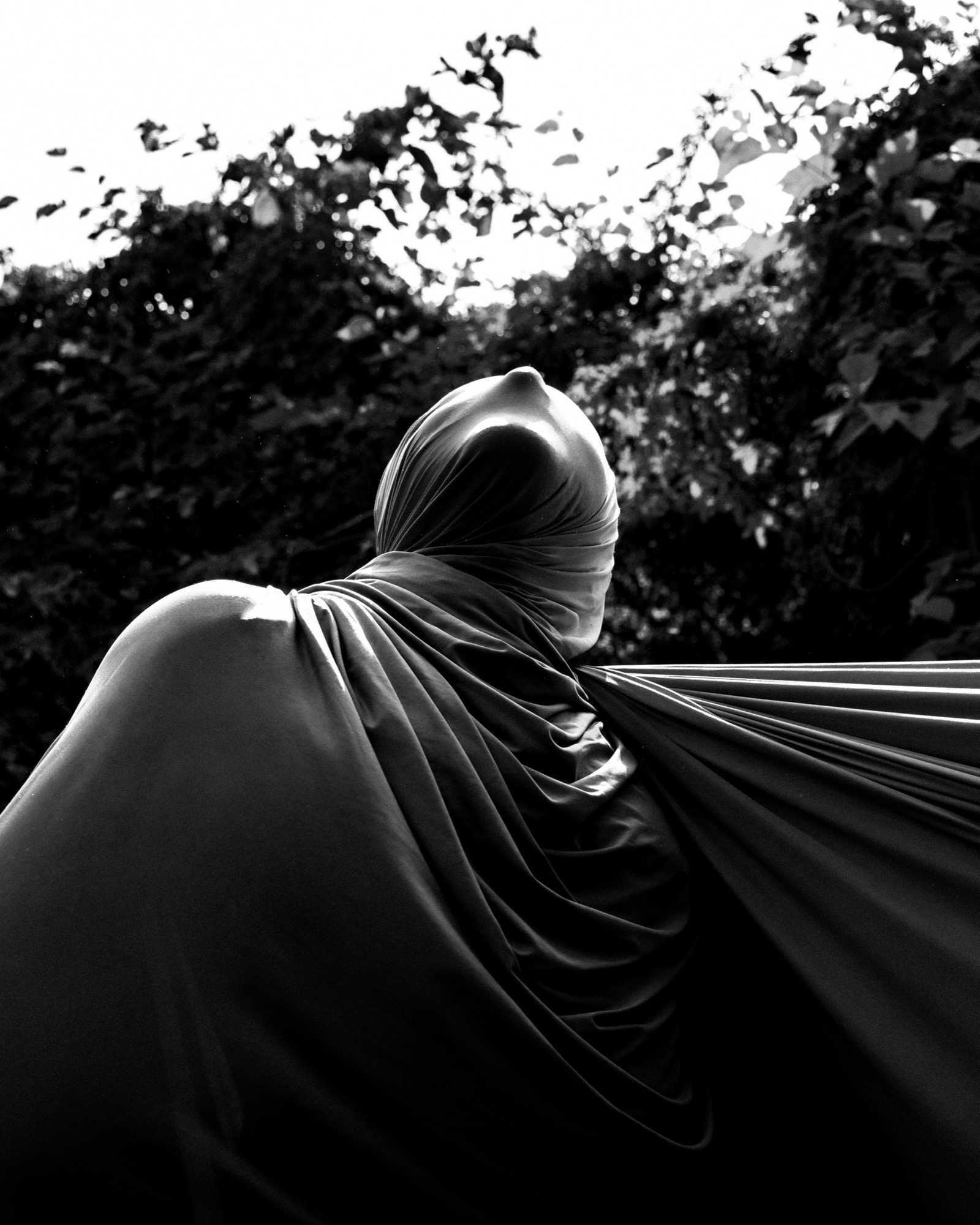
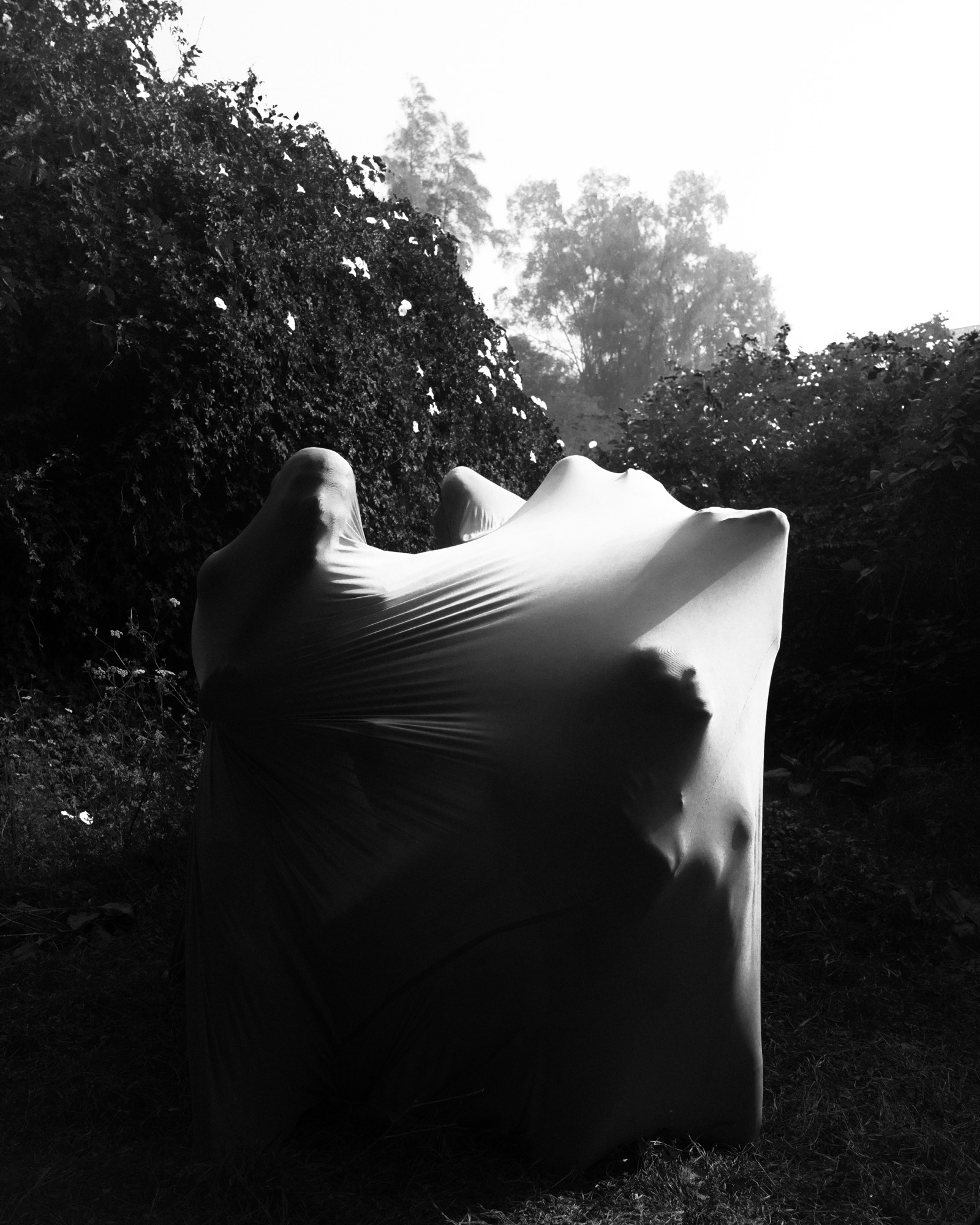
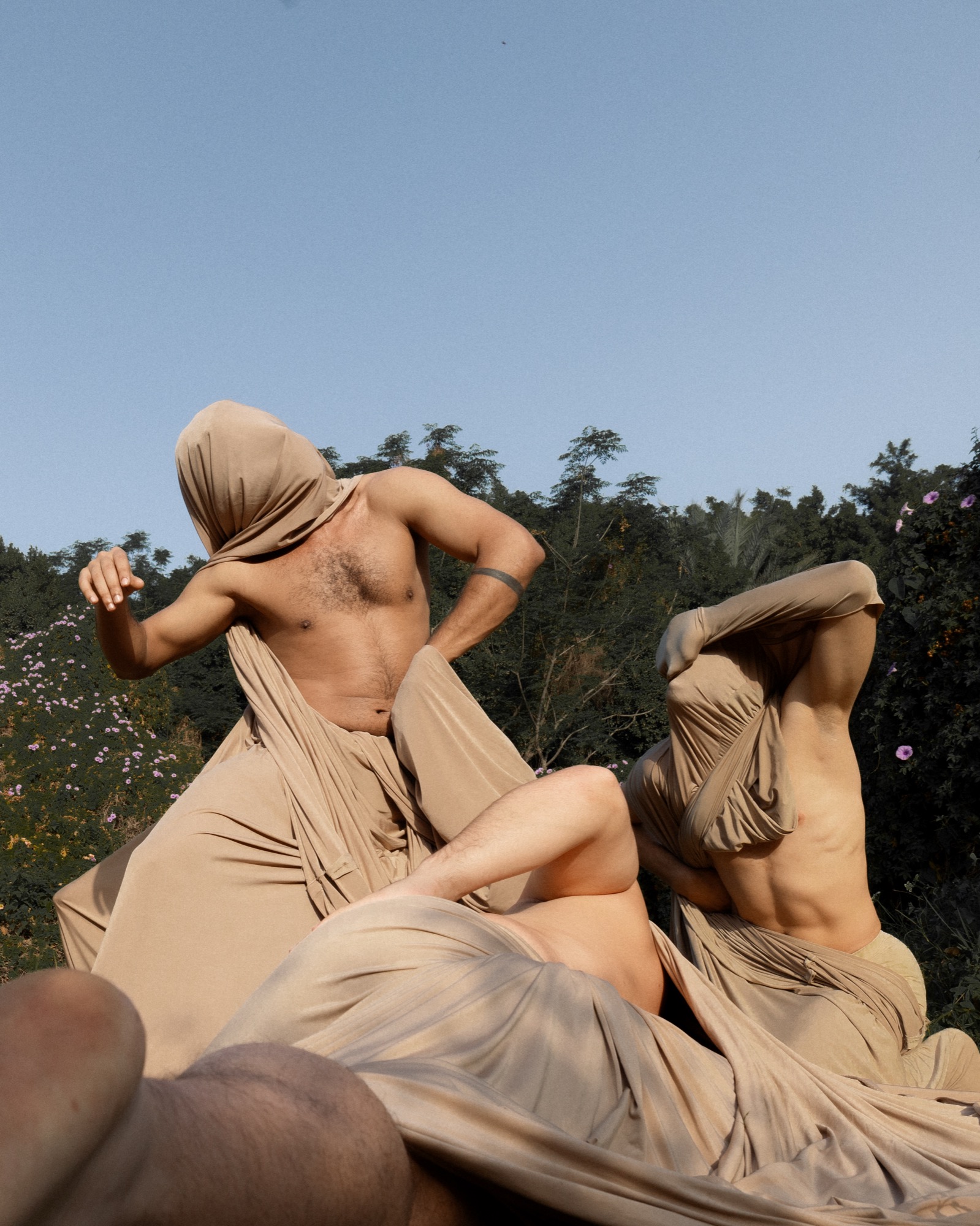
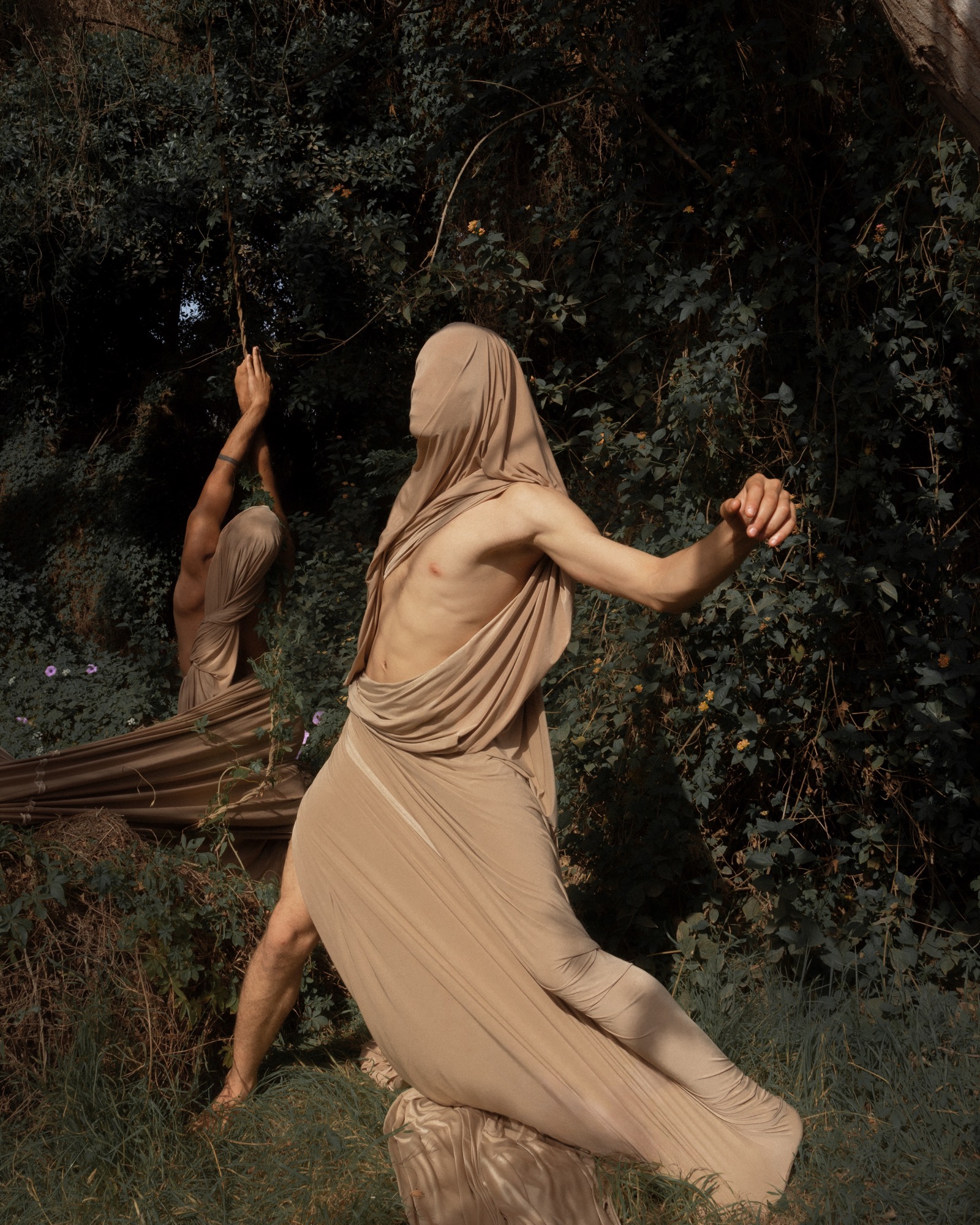
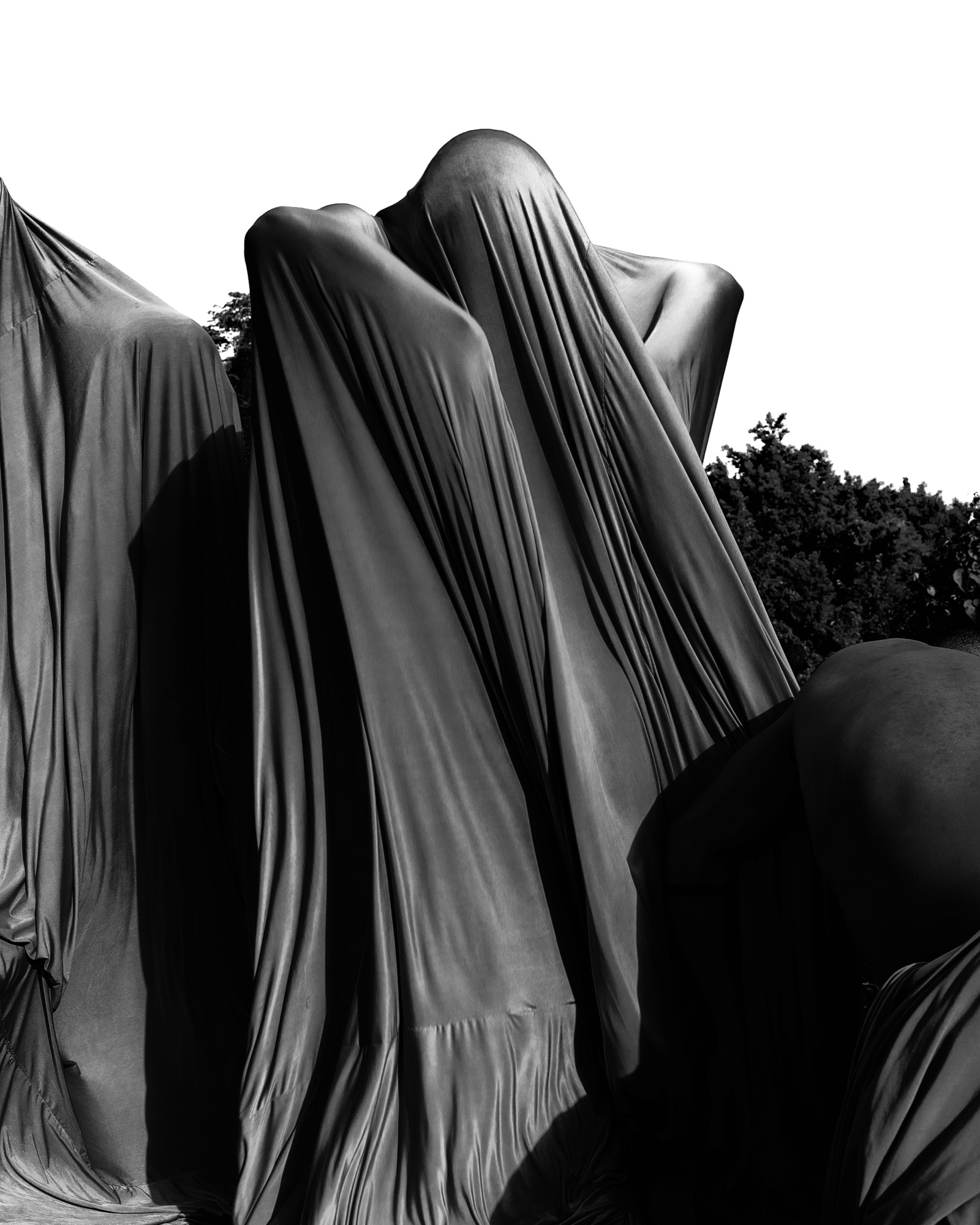
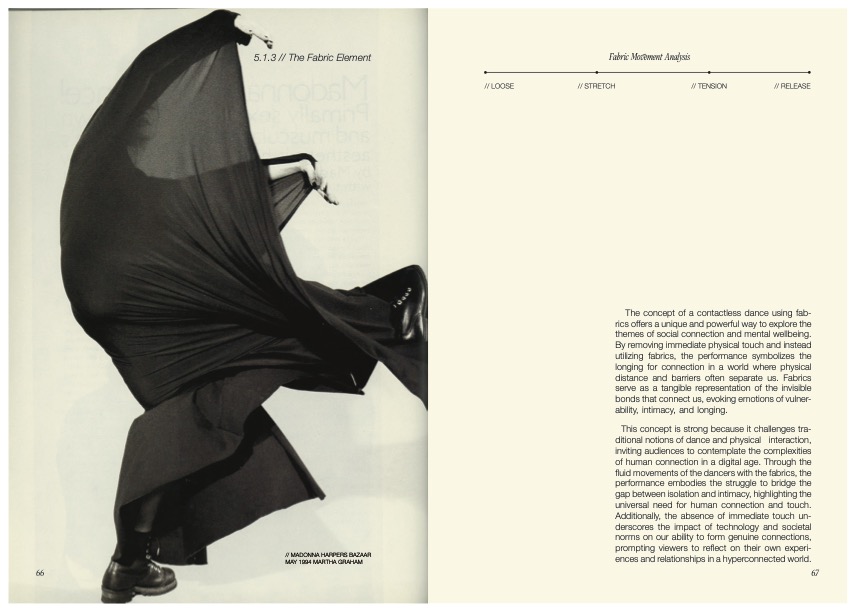
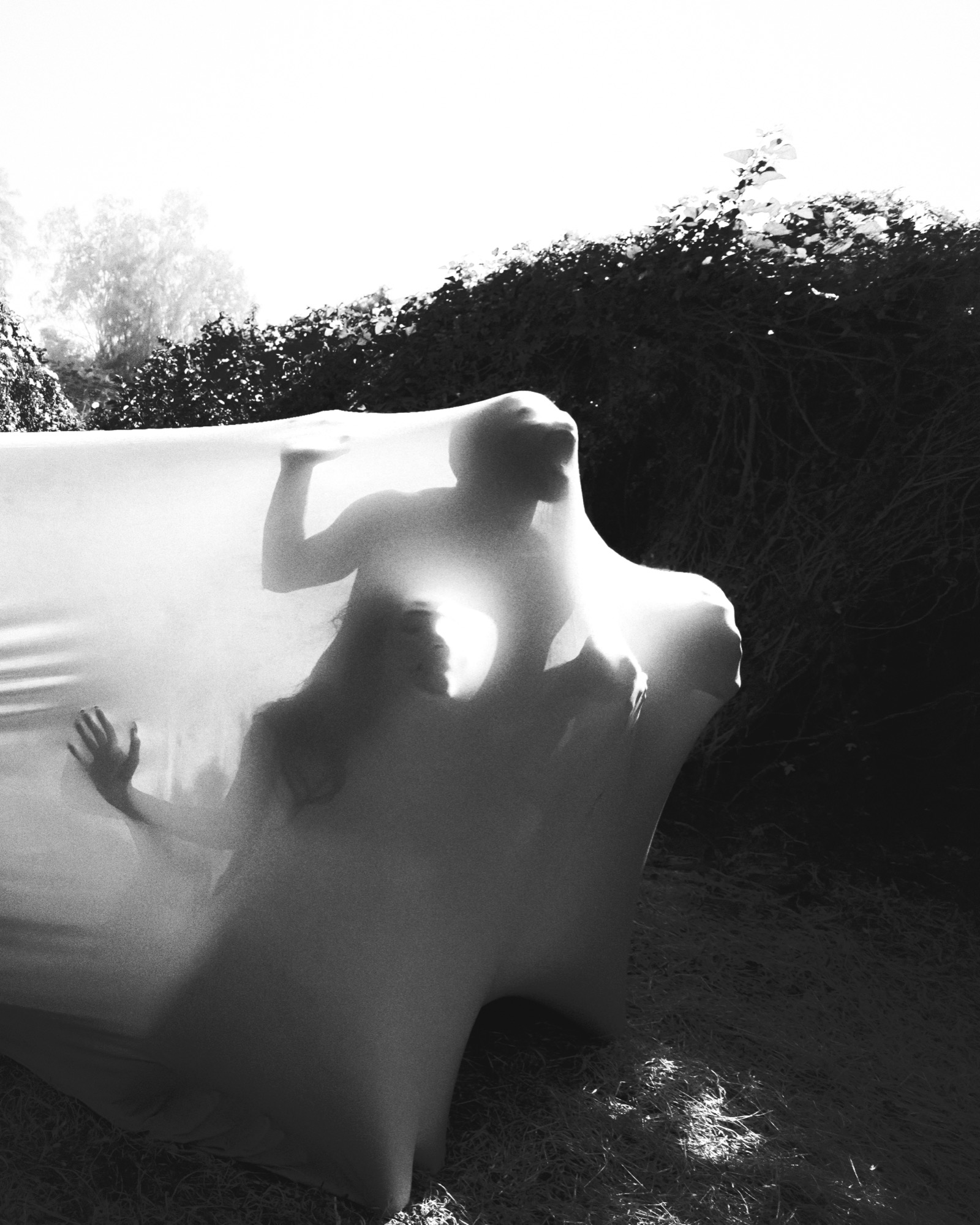
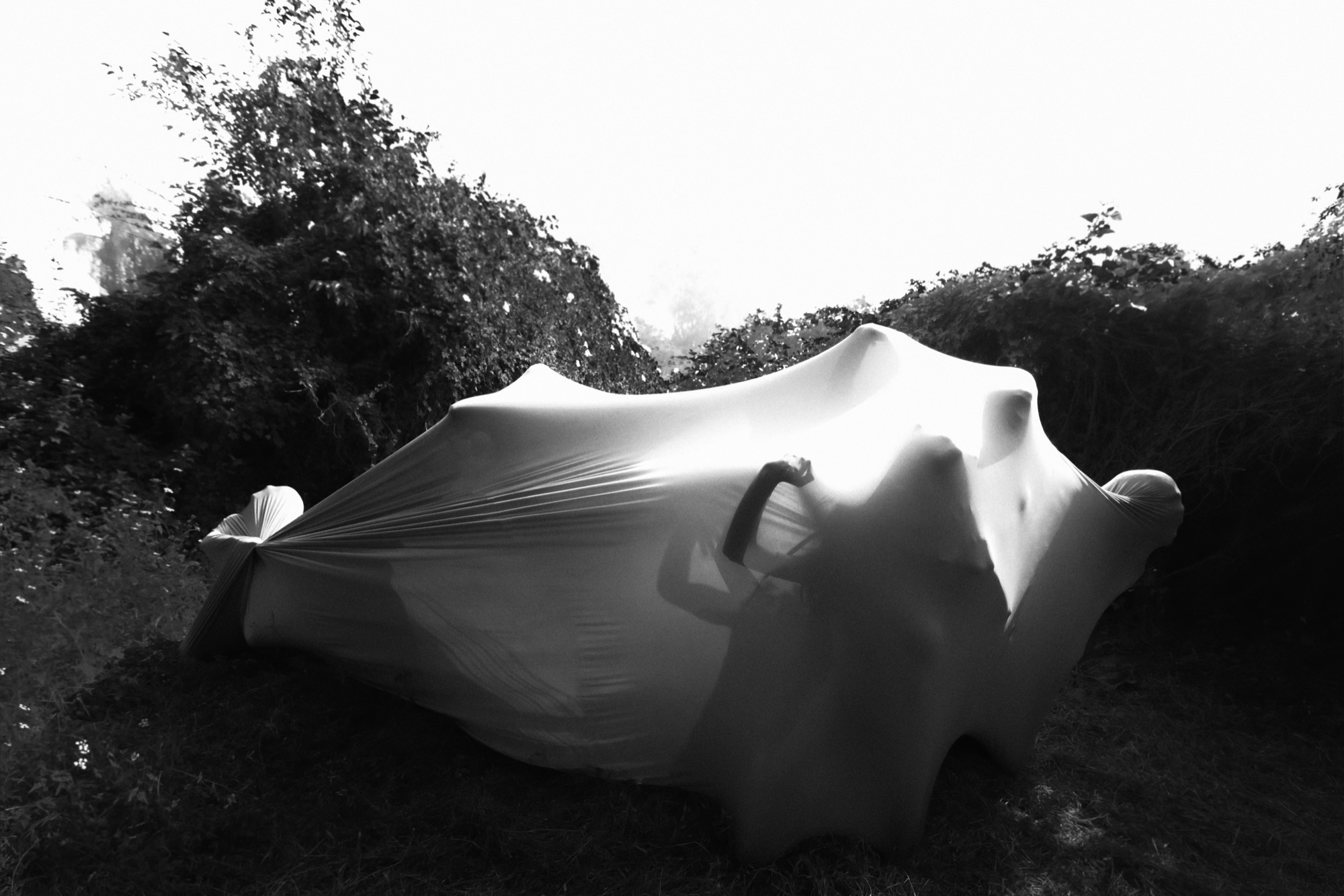
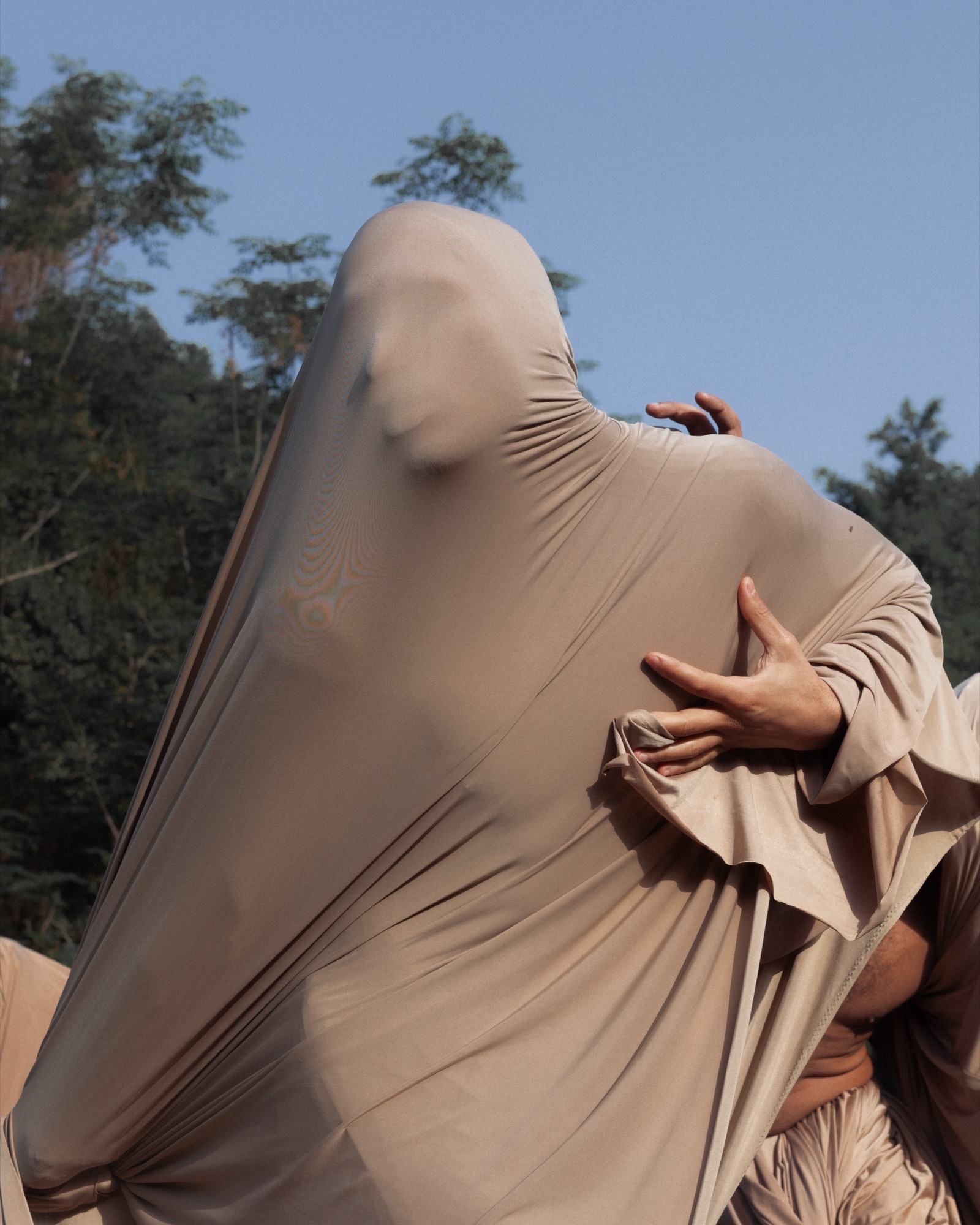
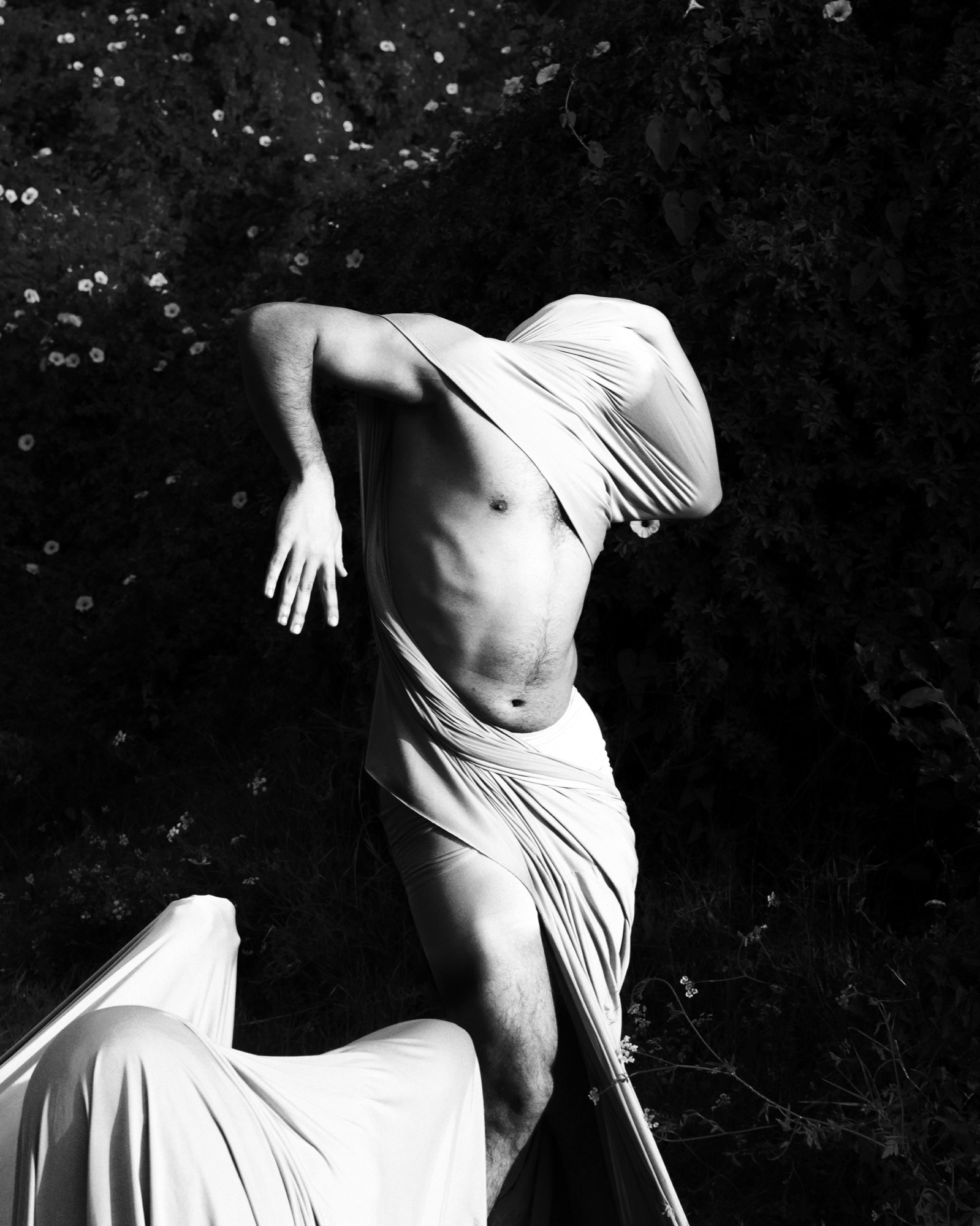
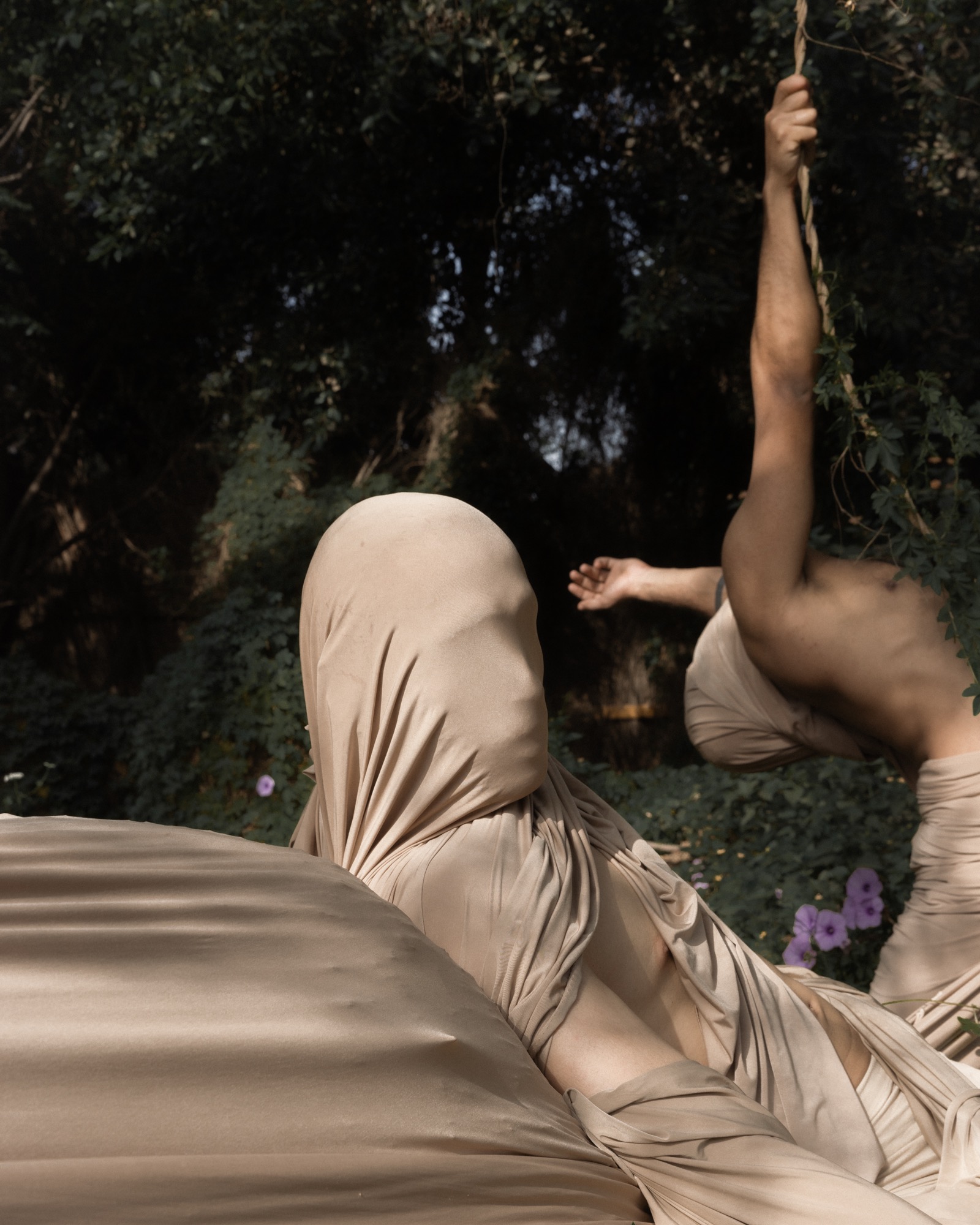
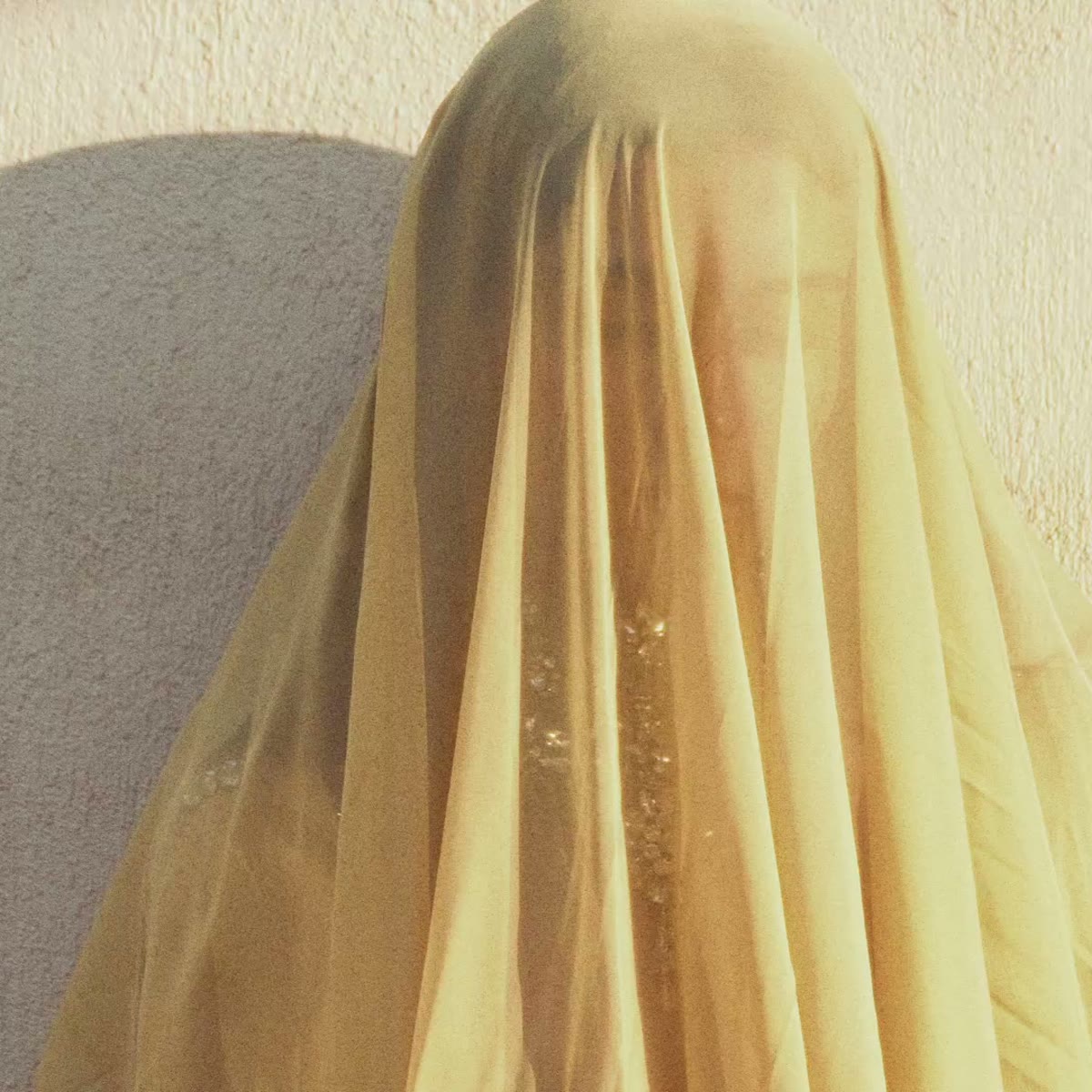
Fabric as a LanguageFabric became the central physical element of the work. I chose it because of its ability to constantly transform. It is fluid, tactile, soft, resistant and incredibly responsive to movement. But more importantly, fabric holds a duality that felt essential to Qadar. It connects and separates. It can wrap around the body like skin, create distance like a wall, move between two people like a shared space, or conceal and reveal what lies underneath. Throughout the performance, fabric becomes skin, barrier, bridge, memory, distance, protection, connection. It also became a way of representing the structures that increasingly exist between us — from emotional boundaries to societal systems and the screens that mediate so much of our interaction. Rather than simply being a prop, the fabric became another performer.
Sound as TouchSound became another layer of physicality. I wanted the audience to experience the transitions between the six stages not only visually, but through shifts in rhythm, tension, atmosphere and silence. The soundscape follows the movement of the performers and helps create an emotional language around each stage. In a project about physical connection, sound offered another way to make the body feel present — even when it wasn't being touched.
Building the Visual WorldThe visual language was built around the body, fabric, movement and negative space. I wanted the imagery to feel tactile and human rather than overly constructed. Light, shadow, texture and proximity became important tools for translating the emotional states of the performance into still and moving images. The visual direction constantly returns to the same tension: how close can two bodies be without touching?
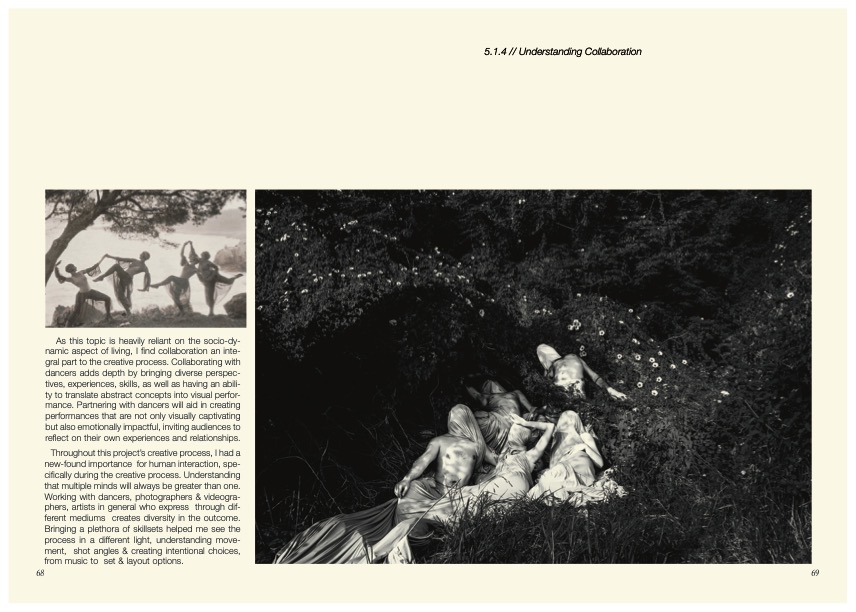
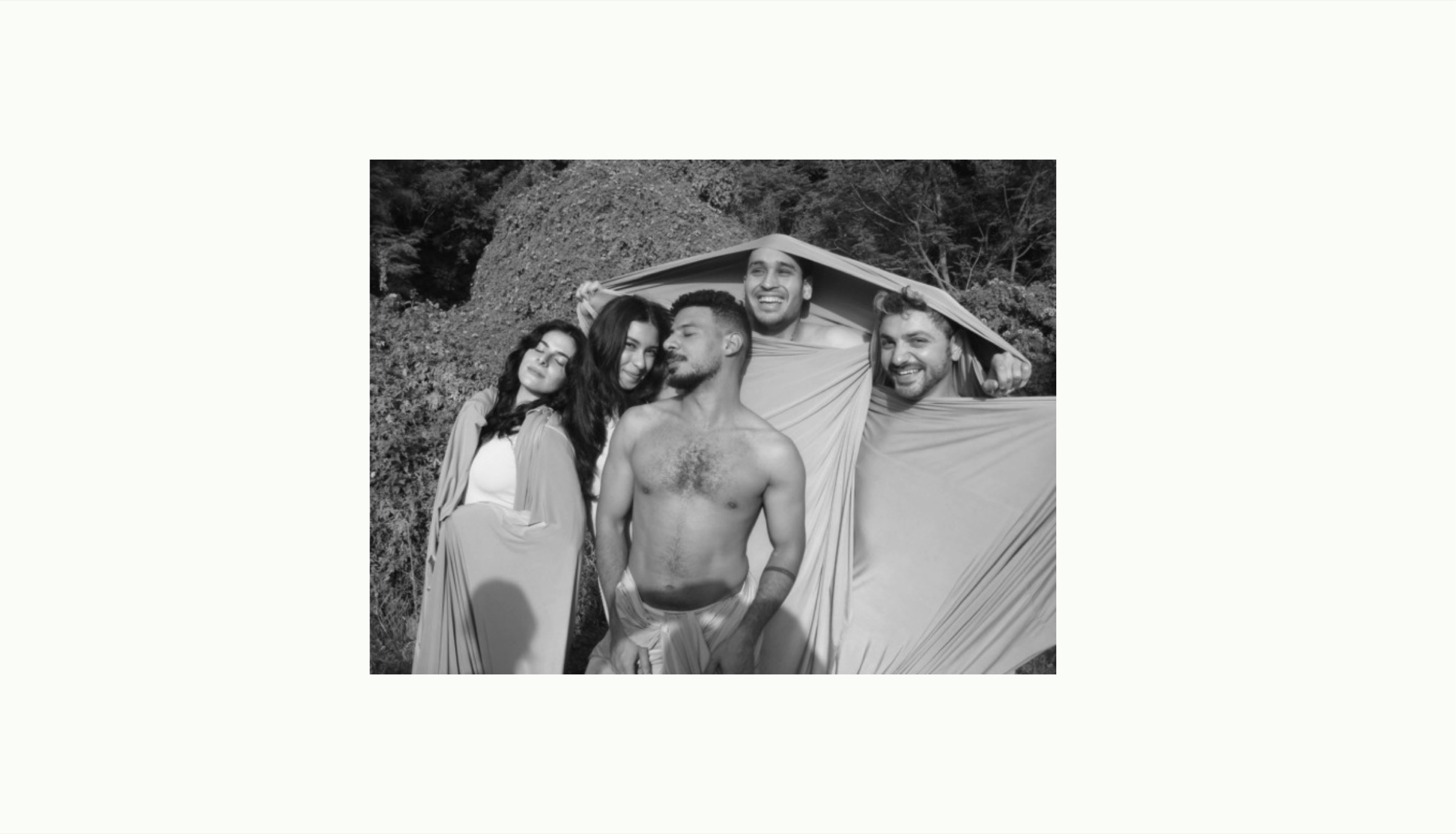
CollaborationQadar was created through collaboration. Five Egyptian contemporary dancers brought their own physical languages and interpretations to the work, allowing the performance to evolve beyond my initial concept. Working collaboratively was essential because the project itself argues for the importance of community and collective creation. The work was brought to life through a team of Egyptian artists across movement, photography, film and visual direction.
From Performance to ImageThe photographic series by Adel Essam became another interpretation of the performance. While dance exists through movement and duration, photography freezes a single moment. This created an interesting tension within the project: a work about physical movement becoming still. The photographs capture fragments of the performance — gestures, tension, bodies, fabric and moments of almost-contact — allowing each frame to exist as its own interpretation of the larger narrative.
FilmThe moving image became the closest representation of the original performance. Film allowed the work to retain what photography cannot: time, rhythm, breath, sound and movement. Directed by me and filmed by Sherif Ramez, the video follows the emotional progression of the performance and brings the six stages together into one continuous experience. The result is not documentation alone, but another layer of the work.
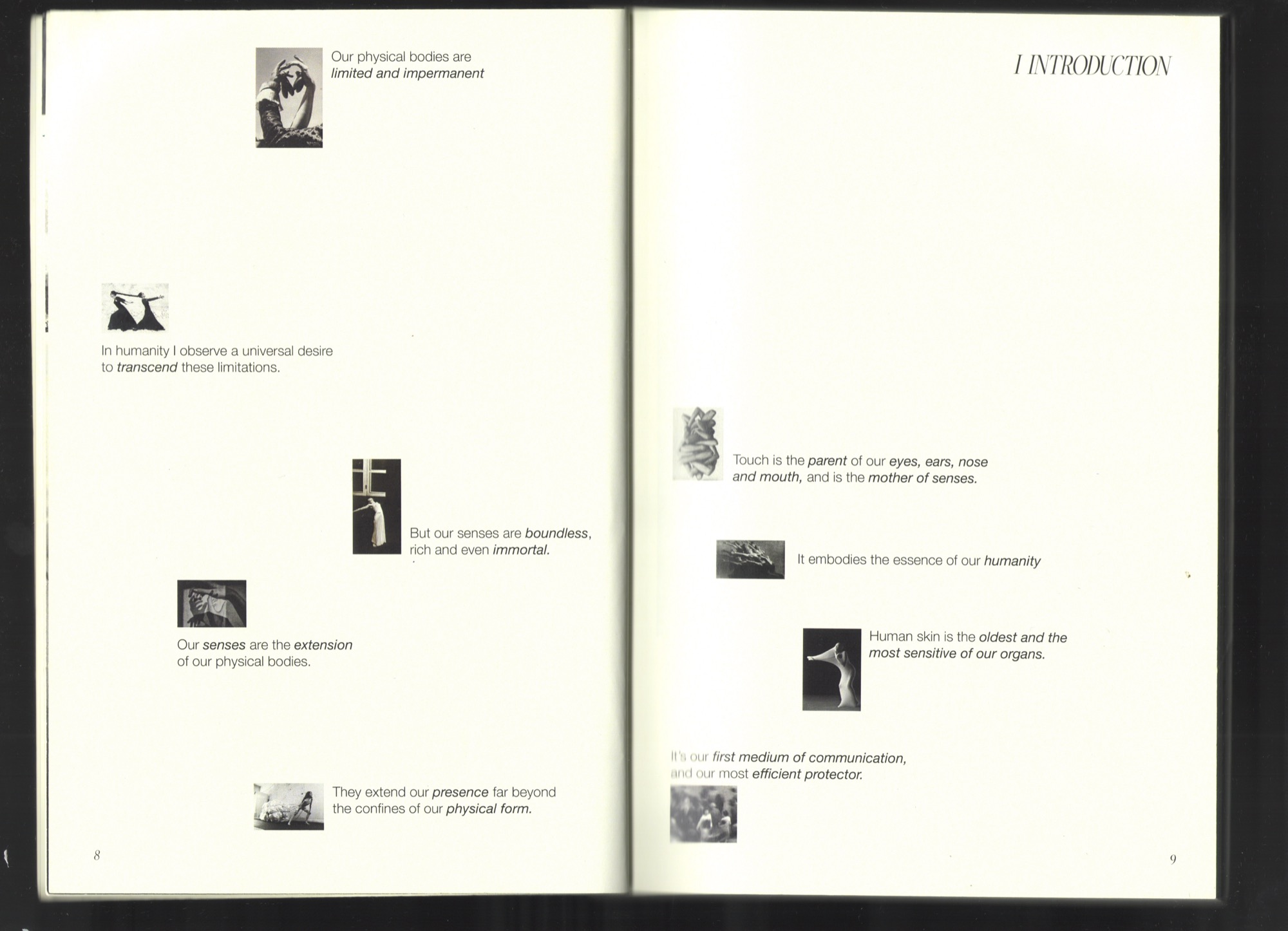
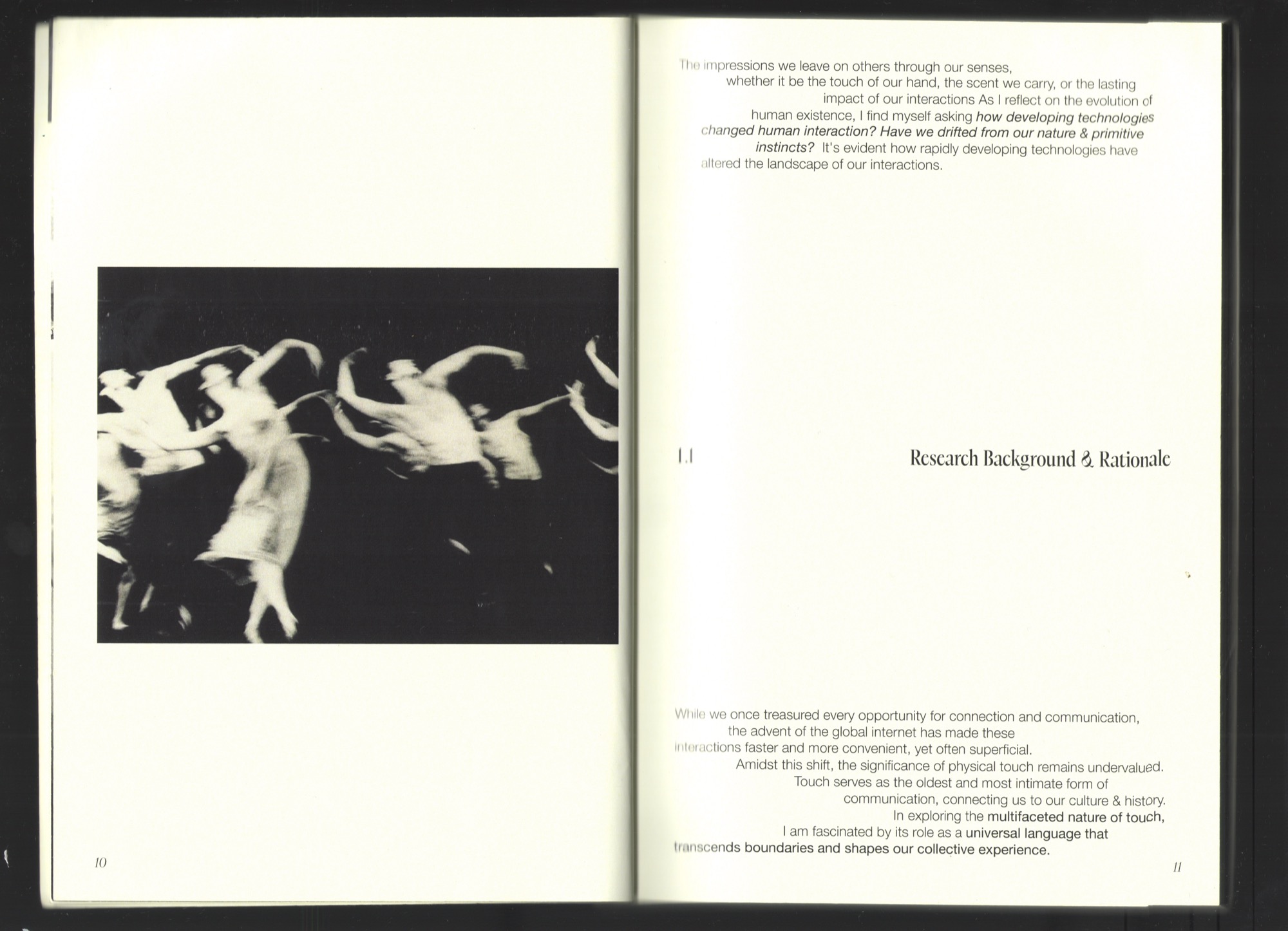
The BooksBecause research was such an important part of Qadar, I wanted the thinking behind the project to exist alongside the visual outcome. The project developed into two publications. The Research Book is a visual archive of the research, questions, references and ideas that shaped the project — it documents the journey from the initial question through research and experimentation to the final concept. The Photo Book is a collection of the photographic work that preserves the visual language of the performance and the people who brought it to life. Together, the publications allow the project to exist beyond the performance itself — as both a body of research and a visual memory.
The Final WorkQadar ultimately became more than a single performance. It exists as a network of interconnected forms: research → movement → fabric → sound → performance → photography → film → publication. Each medium approaches the same question differently. The performance lets the body speak. The fabric creates the space between bodies. Sound builds the atmosphere. Photography freezes moments of connection. Film preserves movement. The publications document the thinking behind it all. Together, they form a multidisciplinary exploration of what it means to be physically present in a world increasingly designed around distance.
ReflectionQadar began as my bachelor thesis, but I don't consider it a finished answer. It was the first layer of a much larger question — and the first project where I felt myself genuinely following an idea rather than knowing exactly where it would take me. The work made me want to keep researching, experimenting and pushing the relationship between design, movement, space and human connection. I am interested in what happens when Qadar leaves the screen and becomes something audiences can physically enter — when the viewer is no longer simply observing connection, but becomes part of it.
For me, the project was never about proving that technology is bad or that we need to return to some idealized past. It was about noticing something. That somewhere between speed, convenience, productivity and constant connection, we may have forgotten how to simply be with one another. And perhaps the body already knows the way back.